
Last updated August 27, 2026
Free in-home measure and quote - PGT, CGI and CWS impact lines compared on your actual openings, style by style
Sliding glass doors
Impact garage doorsPGTCGI
 Before
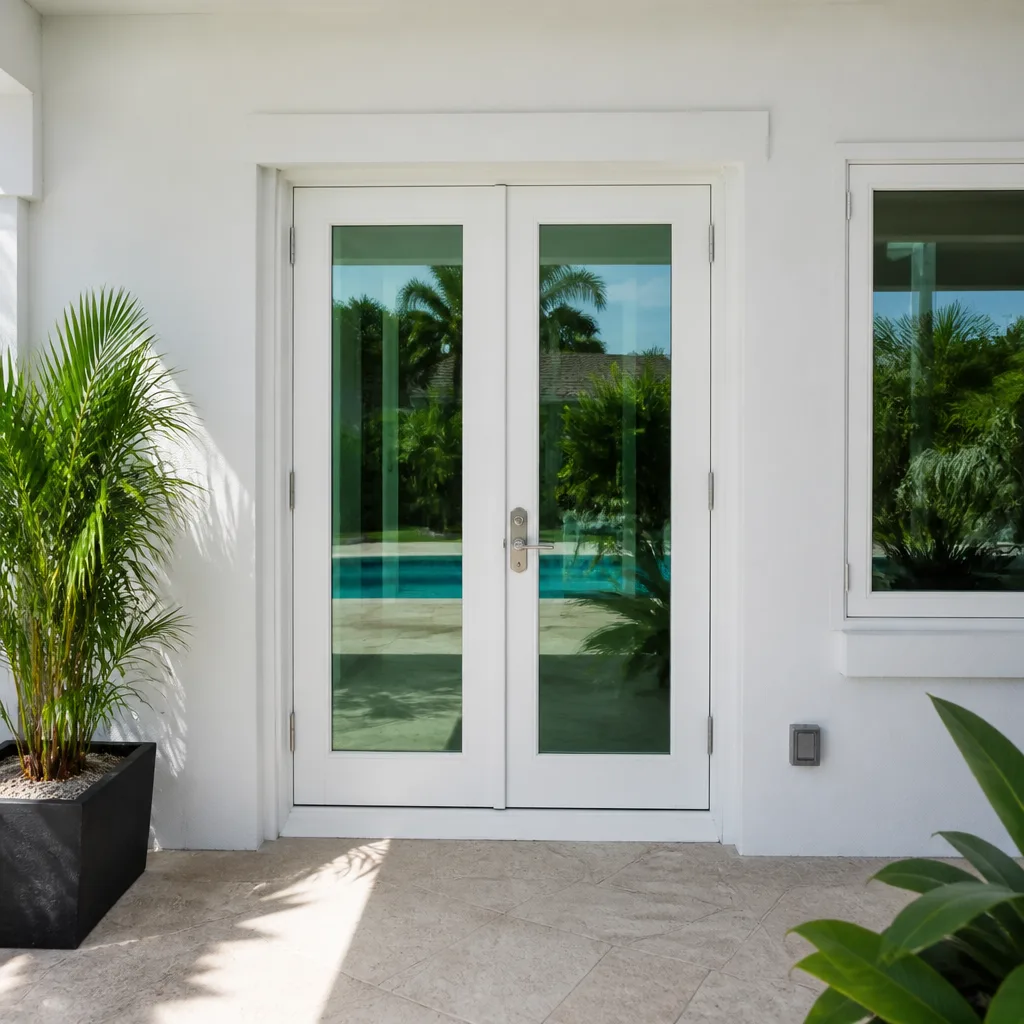 After
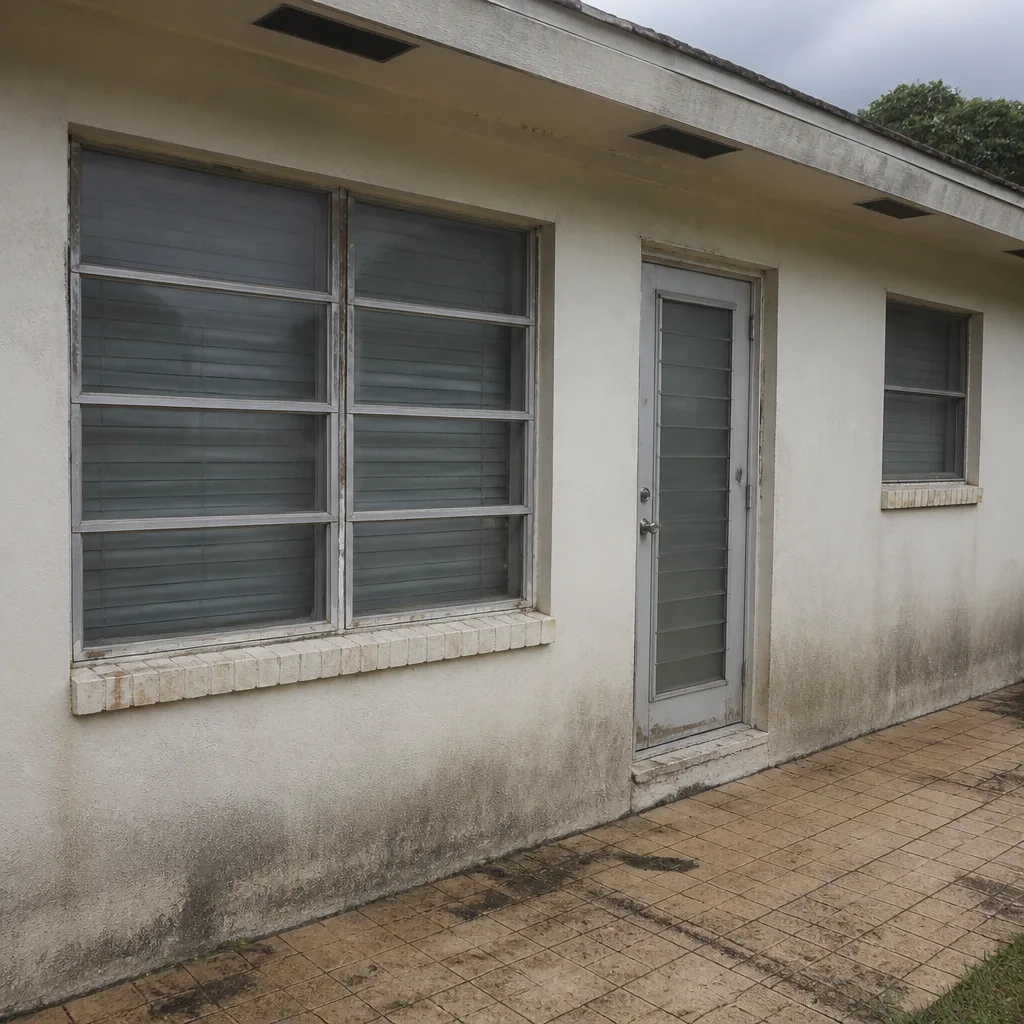 Before
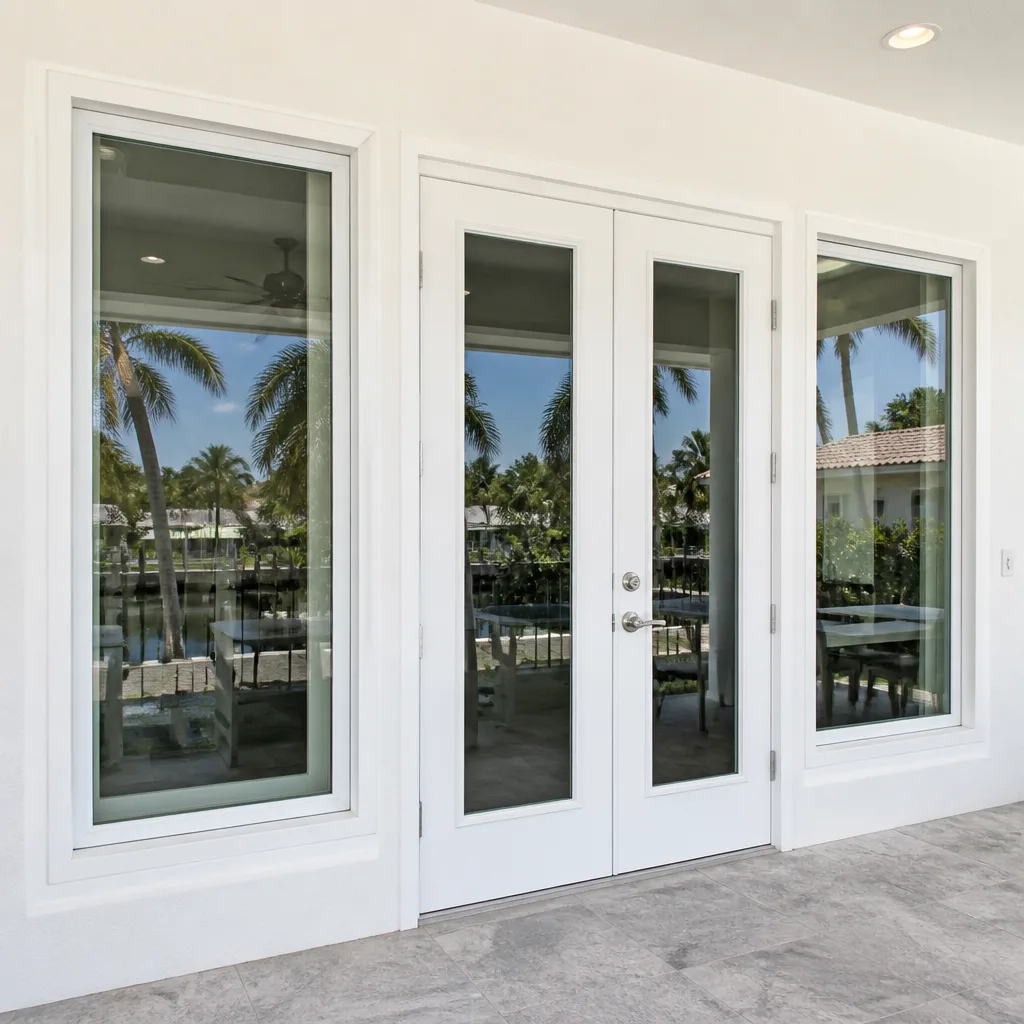 After
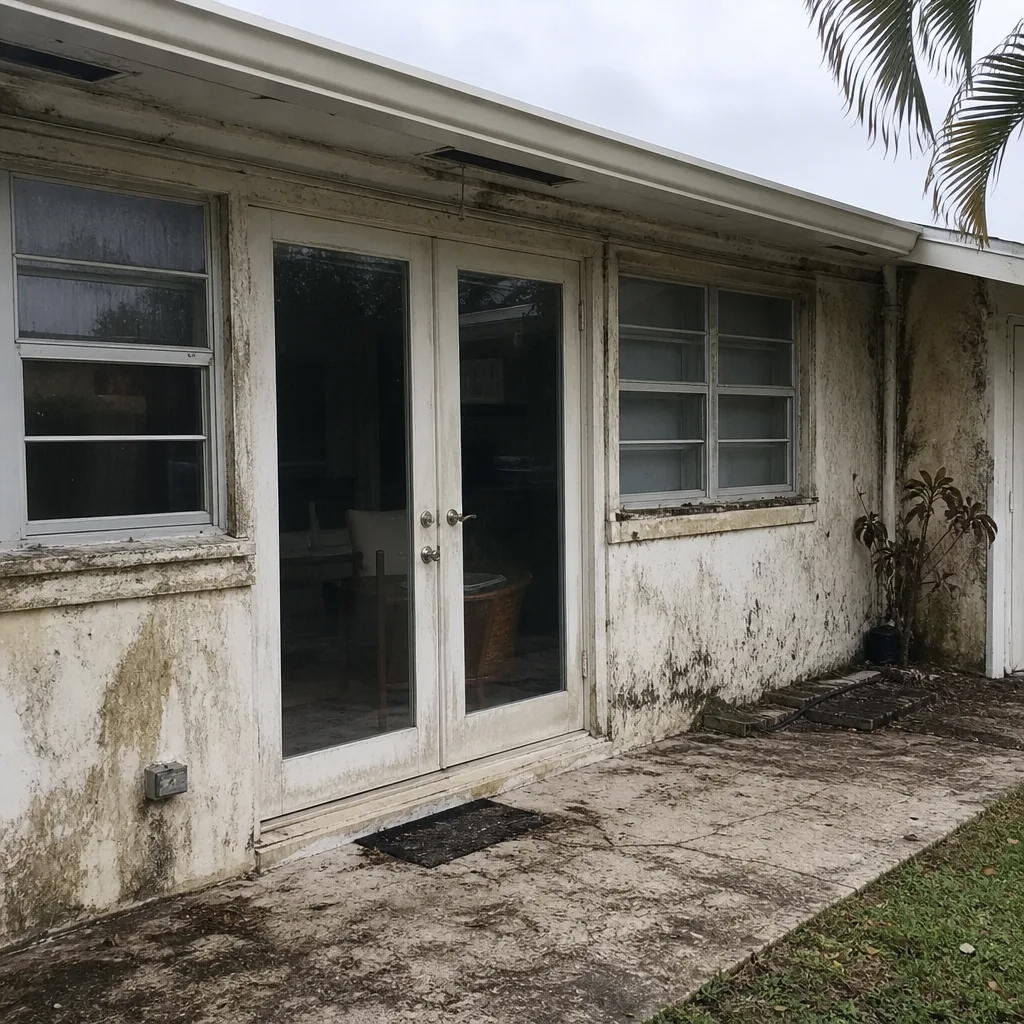 Before
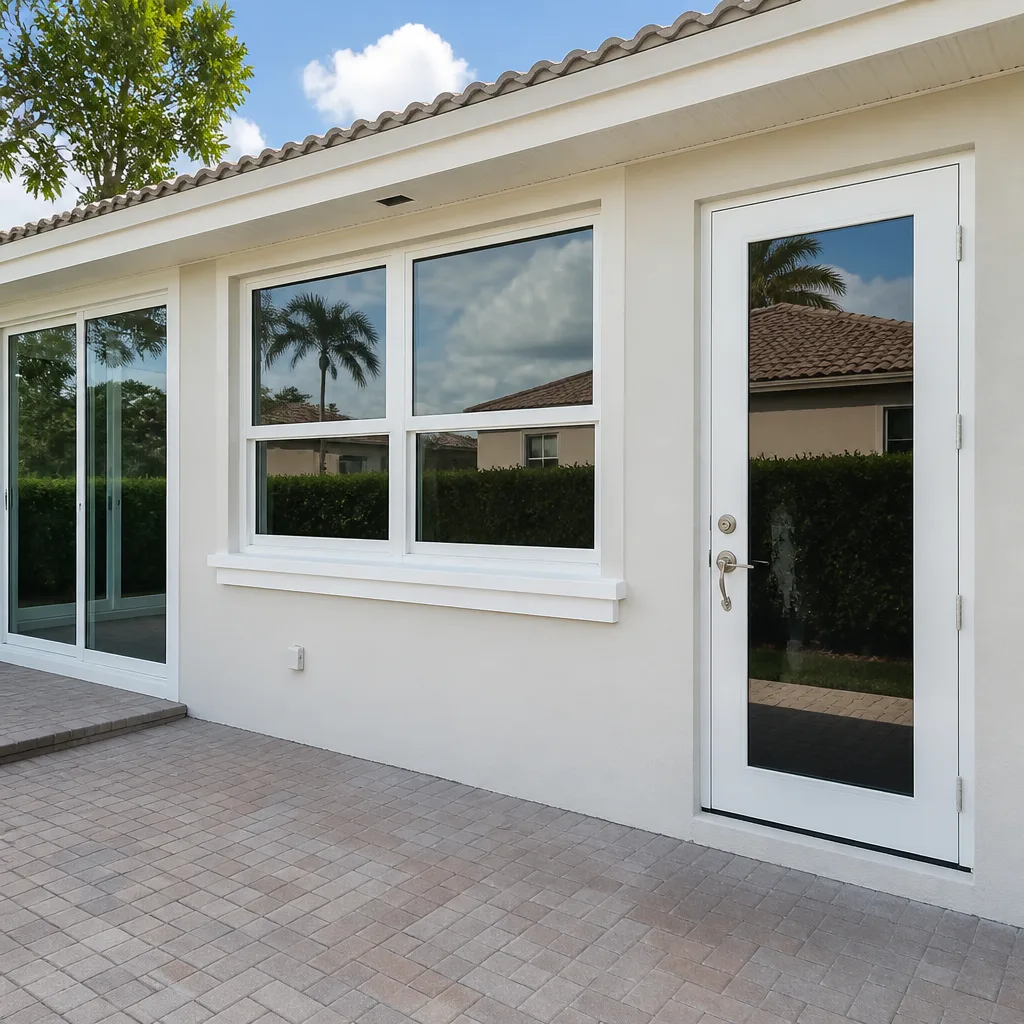 After
DIY vs Professional Windows & Doors: The Deerfield Beach Homeowner’s Decision Guide
Roughly 4 in 10 window and door replacements we inspect in Deerfield Beach show signs of a previous DIY attempt that didn’t hold up. That is not a knock on the homeowner’s effort. It’s a reflection of what coastal Florida does to a window opening: salt air works into the rough frame, afternoon thunderstorms test every seal, and a single out-of-square measurement compounds until the door binds in August. This guide gives you the straight math, the honest risks, and the specific conditions in Deerfield Beach that decide whether your project is a weekend job or a professional call. You’ll leave knowing what a window replacement actually costs in this market, where DIY money gets wasted, and which mistakes cost the most to undo.
Minimum project: the minimum project size is 3 openings, so plan on 3 windows or more.
Quick Answer
For most Deerfield Beach homes, the honest answer is this: simple cosmetic repairs and hardware swaps are reasonable DIY territory, but full window or door replacement, any opening that requires impact-rated glass, and anything involving a load-bearing wall or flashing is professional work. The reason is specific to our coastal market: building code requires wind-mitigation compliance and product approvals on replacement windows, and a DIY install that skips those steps can void your insurance discount and fail a re-roof inspection. You can absolutely save money doing certain things yourself. You cannot easily undo a bad flashing job once the stucco goes back on.
Table of Contents
- What DIY Actually Costs in Deerfield Beach
- What Professional Installation Costs in Deerfield Beach
- The Real Skill Gap: Where DIY Succeeds and Fails
- Deerfield Beach Code, Wind Loads, and Impact Rules
- Tools, Time, and Frustration: The Hidden Ledger
- Warranty and the Long Game: Who Stands Behind What
- Common Mistakes to Avoid
- When to Call a Professional
- Frequently Asked Questions
- The Bottom Line
What DIY Actually Costs in Deerfield Beach
Let’s start with real numbers, because that is what most homeowners want first. A mid-grade vinyl window, something like a Simonton or Jeld-Wen single-hung in a standard 36-by-48 opening, runs between $180 and $320 at the supply house in Broward County. That same window as part of a professional replacement, installed, trimmed, and warranted, lands between $600 and $900 per opening. On a five-window project, that looks like a savings of $2,100 to $2,900 doing it yourself. That is real money, and we would be doing you a disservice to pretend otherwise.
But here is what nobody tells you until the job is halfway done. The supply-house window price is for a builder-grade unit with no impact rating, no low-E coating tuned for our south-facing afternoon sun, and no mullion reinforcement. The moment you want a window that meets Deerfield Beach wind load requirements, the cost climbs to $450 to $700 per unit at supply. Then you need flashing tape, closed-cell foam, a proper caulking system that will not fail under salt air, and shims. That’s another $80 to $150 per opening. Then you need tools: a break bar, a good level, a reciprocating saw with bimetal blades, and a brake for bending trim coil if the exterior cladding requires it. A homeowner who does not own those already spends $400 to $900 before the first window comes out of the box.
We’ve watched plenty of Deerfield Beach homeowners do the math honestly and still choose DIY. That’s their call, and for a single window in a low-exposure wall, it can work. The trouble starts when the project stretches beyond one window, when the openings are not square, when there is stucco to match, or when the window faces east toward the ocean breeze. At that point, the “savings” starts shrinking against the cost of fixing a leak or a dropped sash.
What Professional Installation Costs in Deerfield Beach
A professional window replacement in Deerfield Beach runs from $600 to $900 per opening for mid-grade vinyl, $900 to $1,400 for impact-rated vinyl or aluminum, and $1,200 to $2,200 per opening for premium lines like PGT or Marvin with full frame replacement and custom sizing. Door installations are a different ledger: a standard swing patio door replacement runs $1,800 to $3,500 installed, while a proper impact-rated sliding door can run $3,500 to $7,000 depending on panel count and threshold work. These are the numbers we quote on paper every week, side by side by manufacturer line, so the homeowner sees exactly what they are buying.
What that number buys, beyond the unit itself, is the following: a crew that has pulled a permit in Deerfield Beach and knows what the inspector checks, a flashing detail done to code rather than done to guesswork, disposal of the old unit, trim coil bent and matched to the existing fascia, and a registered warranty. On impact work, it also buys a product approval number and installation that matches the manufacturer’s tested assembly. That last part matters more than most homeowners realize: an impact window installed outside its tested assembly is an impact window that may fail when you need it most.
| Item | DIY Range | Professional Range |
|---|---|---|
| Standard vinyl window (per opening) | $180-$320 (unit only) | $600-$900 (installed) |
| Impact-rated window (per opening) | $450-$700 (unit only) | $900-$1,400 (installed) |
| Swing patio door | $800-$1,500 (unit only) | $1,800-$3,500 (installed) |
| Impact sliding door | $2,000-$3,500 (unit only) | $3,500-$7,000 (installed) |
| Flashing, foam, caulk, shims (per opening) | $80-$150 | Included |
| Tools if starting from scratch | $400-$900 | Included |
| Permit and inspection | $150-$400 | Often included |
If you’re comparing bids, ask each contractor to list the manufacturer line, the series, the glass package, and whether both warranty layers get registered in writing before the technician leaves. If the answer is vague, walk. A square deal means you see everything on paper.
The Real Skill Gap: Where DIY Succeeds and Fails
There is a real skill gap in this trade, and it’s not where most homeowners think. The actual cutting, nailing, and caulking of a window replacement is very learnable. A careful person with two free weekends and a willingness to watch the old-timer at the supply house can handle a standard replacement on a first-floor opening. What separates the professional is not the install itself. It’s the diagnosis before the install and the accountability after it.
Here is what DIY genuinely handles well in Deerfield Beach:
- Replacing window crank mechanisms and sash locks on existing units
- Re-caulking interior and exterior perimeter beads when the frame is sound
- Replacing weatherstripping on a door that drags or leaks air
- Adjusting a sliding door roller height to fix a track that binds
- Painting or refinishing wood frames that are still structurally solid
- Installing window film for UV reduction on an existing pane
Here is where DIY gets into real trouble:
- Full frame replacement on a stucco-clad home, which requires cutting back the stucco return and patching to match
- Any opening larger than 48 inches wide, where the header becomes a structural question
- Impact-rated units, which must match the manufacturer’s tested installation details exactly
- Second-story work, where one bad lift can cost a hospital visit
- Openings that show signs of water intrusion, because you need to find the source before you seal it in
- Any job where the old window was removed and the rough opening is out of square by more than a quarter inch
In neighborhoods like The Cove or the communities west of Federal Highway, we routinely see salt-air corrosion on the fasteners and flashing around older windows. A homeowner who skips the fastener inspection and just pops a new window into a rotten frame buys themselves about eighteen months before the leak returns. That is the part of the job that isn’t visible in the YouTube tutorial.
Deerfield Beach Code, Wind Loads, and Impact Rules
Deerfield Beach sits in a high-velocity hurricane zone, and the Florida Building Code treats replacement windows and doors as structural components, not cosmetic upgrades. That means your new windows need a product approval number from the Florida Building Commission, and they need to be installed to the minimum impact standards for our wind zone unless you have a documented shutter alternative. This is not optional, and it is not a suggestion.
The code has a few key requirements homeowners should know before buying a window:
- Product approval required. Every new window or door installed in a Deerfield Beach residence must carry a valid Florida product approval for the applicable wind zone.
- Installation must match the tested assembly. You cannot simply swap fasteners or skip the specified anchor count. If the manufacturer tested the unit with six anchors and you install four, the approval is void.
- Permits are required for replacement. Deerfield Beach requires a permit for window and door replacement that changes the opening or the glazing type. A straight same-size swap in some single-family homes may qualify for an exemption, but impact upgrades and opening changes do not.
- Inspection verifies the work. The inspector checks anchor spacing, shim placement, and flashing before the final cover goes on. If the work is closed up before inspection, the inspector can require removal.
- Insurance discount follows compliance. The wind-mitigation credit on your homeowner’s policy only applies if the installation is documented and compliant. A DIY impact window with no permit and no inspection will not earn the discount.
We have helped Deerfield Beach homeowners fix DIY installs that failed the re-roof inspection because the new windows had no product approval on file. The cost to undo a fully finished opening often exceeds what the original professional install would have cost. When you factor in the permit fees of $150 to $400 and the time spent at the building department, the DIY path on a code-compliant impact window is rarely a savings for someone who values their own weekends.
Tools, Time, and Frustration: The Hidden Ledger
Every window project has a hidden ledger: the time and frustration cost that does not show up on the supply-house receipt. Here is a realistic picture of what a five-window DIY replacement looks like for a homeowner who has never done one before.
- Day one: measure and order. You measure five openings, discover two are not square, and spend an hour online trying to figure out how to order a custom size from the supply house. If you guess wrong on the rough opening, the window arrives useless.
- Day two: pickup and staging. You rent or borrow a truck, pick up the windows, and store them in the garage. Each mid-size unit weighs 40 to 70 pounds. Moving five of them alone is a workout.
- Day three: window one. You remove the old window, discover the rough opening has rot in the sill, and spend three hours cutting out and sistering in a patch. You install the new window, and at 4 p.m. you realize the reveal is uneven and the sash doesn’t close square.
- Day four: windows two and three. You get faster, but now you’re fighting afternoon thunderstorms that keep flooding the openings mid-install. You tarp and wait twice.
- Day five: windows four and five. You finish, but the stucco patches look rough, and one window still binds when the temperature drops at night.
- Week two: hire someone. You call a professional to fix the binding window and re-flash the one that is already weeping water after a hard rain. The cost of the fix, plus the time you spent, erases most of the DIY savings.
Contrast that with a professional crew: we show up with a trained crew, pull the permit, remove and install all five windows in a day or two, haul away the debris, and hand you a closed-out permit and registered warranty. The time account alone tips the scale for most of our customers who are over sixty and would rather spend a weekend with grandchildren than fighting a window flange.
Warranty and the Long Game: Who Stands Behind What
A window warranty is two layers, and most homeowners only ever hear about one. The first layer is the manufacturer’s warranty: it covers the glass against seal failure, the frame against warping, and the hardware against defect. The second layer is the labor warranty: who is responsible for removing a failed sash, replacing it, and coming back to do the work without charging you again. That second layer is where DIY collapses completely.
When you install your own window and the seal fogs eighteen months later, here is what happens. The manufacturer ships you a replacement sash under warranty, and you eat the entire labor of removing the old sash, installing the new one, and praying the replacement goes in without damaging the frame. If the failure is actually an installation issue, which it often is in coastal climates, the manufacturer denies the claim entirely, and you eat the cost of a new unit too. The manufacturer’s warranty covers manufacturing defects. It does not cover a DIY install that leaked around the nailing flange.
A professional install changes that math. At TruePane Windows & Doors, we register both warranty layers in writing before the technician leaves the driveway, with the durations stated. If the pane is not true, the job is not done. Our workmanship is also backed by a Done Right Promise: if it is not done right on the first visit, we make it right, with no paperwork fights and no arguing. Those two protections together are what you are actually buying when you hire a professional, and they are worth more than the difference in price over the life of the window.
For Deerfield Beach homeowners planning to stay in the house for another twenty years, the long game matters. A properly installed, impact-rated window from a line like PGT or Simonton should give twenty to thirty years of service. A DIY install that leaks around the frame will rot the rough opening, and by year seven or eight that is a full replacement, not a repair. We’ve seen it too many times to sugarcoat it.
Common Mistakes to Avoid
- Skipping the permit on impact windows. Homeowners think the permit is just bureaucracy. In Deerfield Beach, an unpermitted impact upgrade means no wind-mitigation credit on your insurance and a problem to disclose when you sell. The building department is not your enemy; it is the paper trail that protects your roof discount.
- Ordering the wrong rough opening size. A supply-house window uses the rough opening dimension, not the visible glass size. Order to the visible opening, and you will have a window that is three inches too small in every direction.
- Buying non-impact glass east of Federal Highway. Salt spray and wind exposure are harder on windows closer to the ocean. A builder-grade window installed near the coast may fog or corrode within a few years, and the warranty will fight you on it.
- Flashing the window on the outside of the housewrap. This single mistake is the cause of most water intrusion we repair in Deerfield Beach. The flashing sequence is not intuitive, and a backward lapped seam funnels water into the wall instead of out.
- Trying to replace a sliding glass door solo. A single tempered panel can weigh 150 to 250 pounds. A slipped lift or a dropped panel sends someone to the emergency room, and the broken tempered glass turns into a thousand pieces. This is a two-person minimum job, and the second person needs to know where to stand.
- Reusing old fasteners and anchors. The new window needs the anchor count specified in the product approval. Reusing the three screws that held the old window for thirty years voids the approval and leaves the frame under-anchored for a storm event.
- Caulking over a leak instead of finding it. If water is coming in, sealing the inside does not stop it. The water keeps traveling until it finds a new exit. You need to find the entry point, which is often at the flashing, not the caulk line.
When to Call a Professional
Call a professional when the project involves impact-rated glass, a second-story opening, a load-bearing header, water intrusion you cannot trace, or a stucco exterior that must be patched and matched. Call when the window is in a high-exposure wall that faces the ocean or an afternoon storm track. Call when you want the warranty in writing, the permit closed, and the insurance credit on file. And call when you’ve already tried once and the window still leaks or binds. We fix more DIY follow-ups in Deerfield Beach than we’d like, and we do it without making the homeowner feel foolish. TruePane Windows & Doors offers free estimates in Deerfield Beach, and a live person answers the phone 24 hours a day, 7 days a week. Call (786) 743-5882.
Frequently Asked Questions
A standard vinyl window replacement in Deerfield Beach typically costs $600 to $900 per opening installed, while an impact-rated window runs $900 to $1,400 per opening installed. The price depends on the manufacturer line, the size of the opening, the condition of the rough frame, and whether the home requires stucco patching. Call (786) 743-5882 for an exact quote, and we will put the numbers on paper side by side by manufacturer.
Technically yes, but the product approval and installation requirements make it impractical for most homeowners. The unit must be installed to the manufacturer’s tested assembly with the specified anchor pattern, and the permit must be pulled and inspected for the insurance credit to apply. A DIY install that skips these steps leaves you with an unapproved window and no documented compliance.
Yes, Deerfield Beach requires a permit for window and door replacement that changes the glazing type, the opening size, or the wind-load rating. Some straight same-size swaps may qualify for an exemption, but any impact upgrade or structural change requires a permit and inspection. The permit cost in Deerfield Beach typically runs $150 to $400 depending on the scope.
No, the wind-mitigation discount on your Florida homeowners policy requires documented, code-compliant installation with a closed-out permit. A DIY impact window with no permit and no inspection record does not qualify, even if the product has a valid approval number. The discount is tied to the installation documentation, not just the glass.
A standard five-window replacement takes one to two days for a professional crew, including removal, installation, flashing, trim, and debris haul-away. Impact-rated work and second-story openings add time, and stucco patching may require a separate visit for the final match coat. Most whole-house projects wrap within a week.
The most common problem we see in Deerfield Beach is improper flashing sequence, which allows water to enter the rough opening and rot the framing over several years. The second most common is ordering the wrong rough opening size. Both mistakes cost more to fix than the original professional install would have cost.
The Bottom Line
Most Deerfield Beach homeowners can handle hardware swaps, weatherstripping, and light cosmetic work without a professional. Full replacements, impact upgrades, and any project involving flashing, headers, or stucco should be done by a crew that does this work every week and carries the warranty in writing. The DIY savings are real on paper, but the long-term cost of a failed flashing job or an unpermitted impact install erases them quickly. We quote on paper, register both warranty layers in writing, and stand behind the work with a Done Right Promise. Call (786) 743-5882 for a free estimate, and we will give you the straight numbers before you decide.
Written by the team at TruePane Windows & Doors.
Six Reasons Homeowners Choose TruePane Windows & Doors
Impact systems engineered to design pressures up to +/-100, matched to your wind zone - your openings hold when the storm arrives.
Low-E insulated impact glass from our manufacturer lines commonly cuts monthly cooling bills 20-30%.
Laminated impact glass shuts out up to 40% of outside noise - traffic, neighbors, weather.
Monitoring services run $30-90 a month. Laminated impact glass resists forced entry around the clock, with no subscription.
Florida homeowners average around 25% savings on the windstorm portion of their policy after protecting every opening - some homes qualify for more.
A full impact package upgrades curb appeal, buyer confidence and appraised value in one project.