
Last updated August 25, 2026
Free in-home measure and quote - PGT, CGI and CWS impact lines compared on your actual openings, style by style
Sliding glass doors
Impact garage doorsPGTCGI
 Before
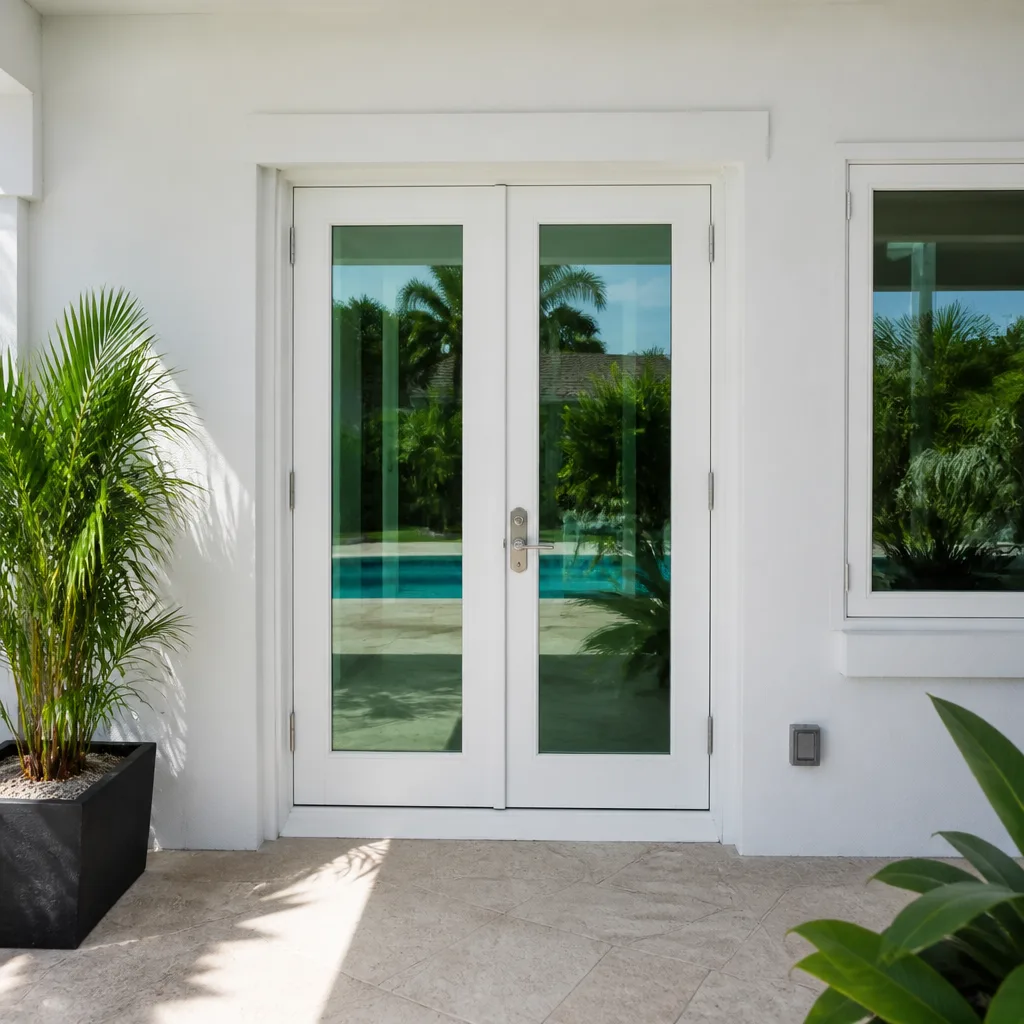 After
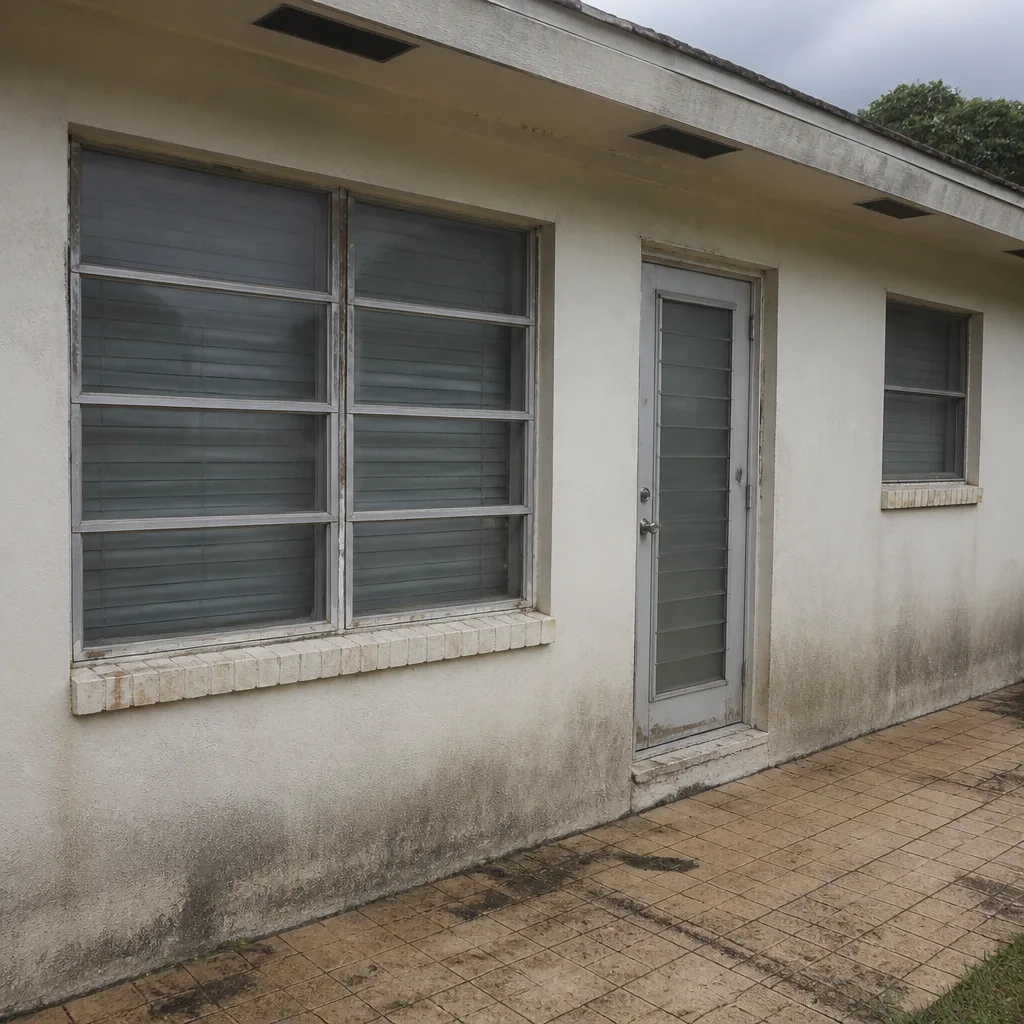 Before
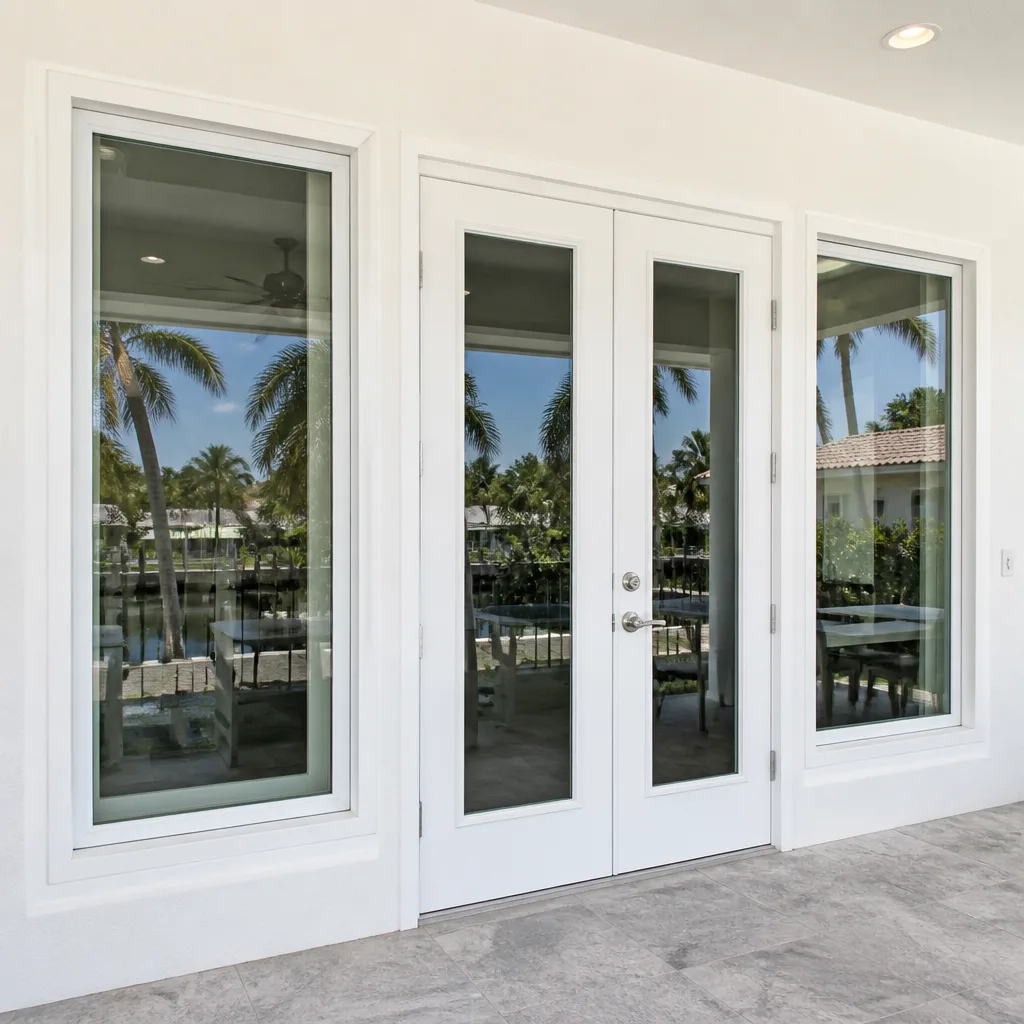 After
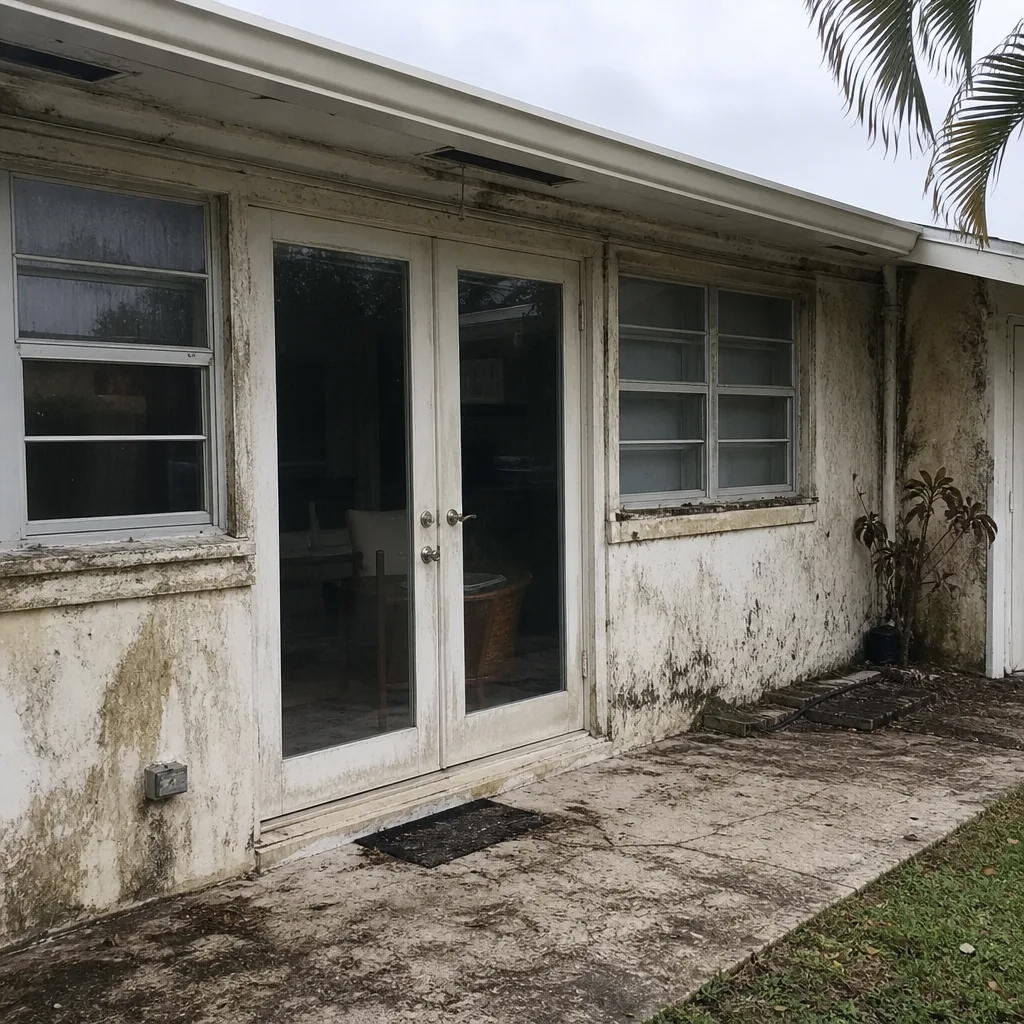 Before
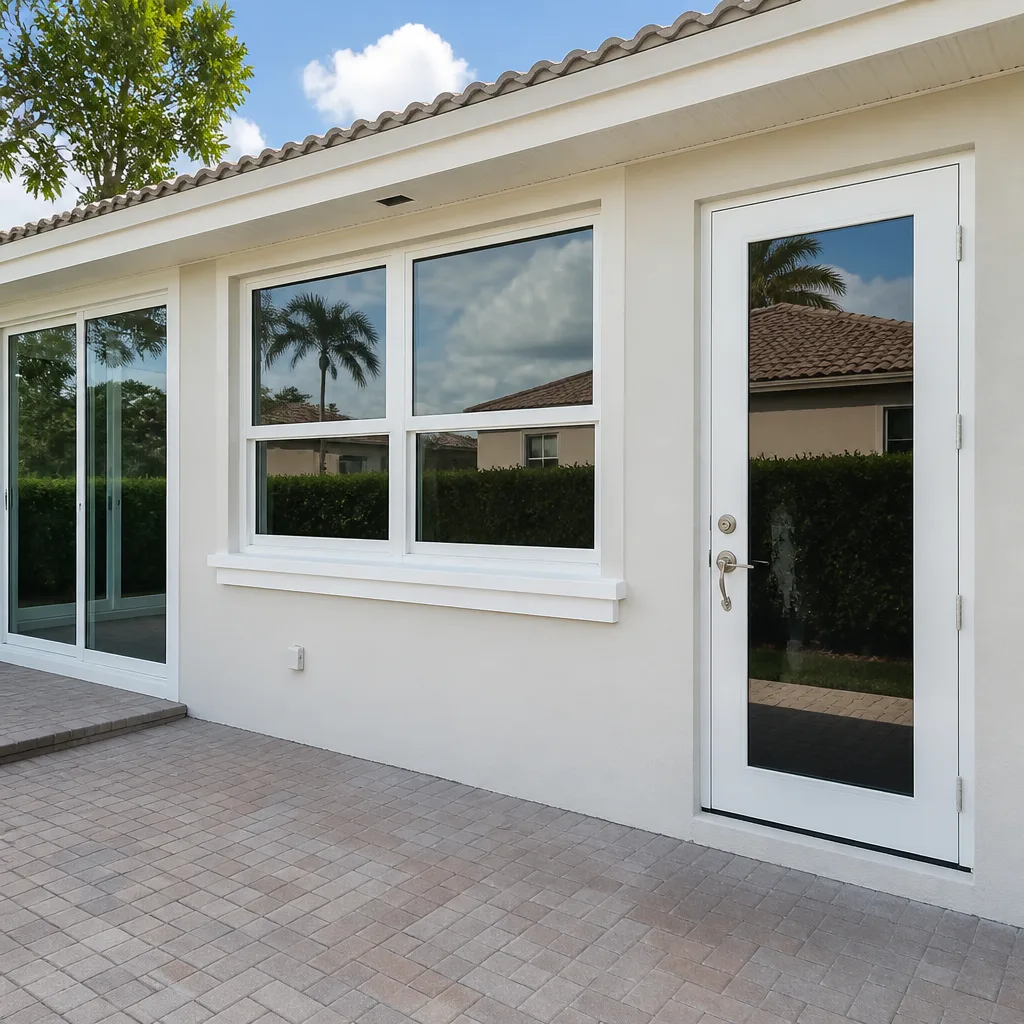 After
Seasonal Windows & Doors Care for Deerfield Beach: Year-Round Homeowner’s Guide
Most homeowners in Deerfield Beach don’t think about their windows and doors until something fails. A seal fogs between the panes. A sliding door grinds on its track in August. A front door binds after a week of heavy rain. The truth is that South Florida’s climate works on window and door components every single day of the year, and the damage rarely announces itself until it’s already expensive. This guide explains what to check each season, what Deerfield Beach’s salt air and humidity actually do to glass, frames, weatherstripping, and hardware, and when to handle something yourself versus making the call.
Minimum project: 3 openings (3 windows minimum).
Quick Answer
Seasonal window and door care in Deerfield Beach means checking weatherstripping and seals before hurricane season, lubricating tracks and hinges quarterly, cleaning weep holes after every heavy storm, and having a professional inspect impact-rated units and door alignment once a year. Homes within a mile of the ocean need more frequent hardware lubrication because salt air accelerates corrosion. Most issues caught in the first year cost under $100 to fix; the same problem left for three years typically becomes a full unit replacement.
Table of Contents
- Why Deerfield Beach Weather Is Harder on Windows and Doors Than Most of Florida
- Spring Care: Post-Season Inspection and Salt Air Removal
- Summer Care: Hurricane Readiness and Humidity Management
- Fall Care: Track Cleaning, Hardware Lubrication, and Alignment Checks
- Winter Care: The Season Deerfield Beach Homeowners Overlook
- Impact Windows and Doors: What “Rated” Actually Means in Deerfield Beach
- Common Mistakes to Avoid
- When to Call a Professional
- Frequently Asked Questions
Why Deerfield Beach Weather Is Harder on Windows and Doors Than Most of Florida
Deerfield Beach sits closer to the Atlantic than most Broward County cities, and that proximity changes everything about window and door maintenance. The salt in the air is not a theory here. It settles on aluminum frames, corrodes steel hinges, and works its way into the tiny gaps between a screen frame and its spline. Homes east of Federal Highway feel this more than homes west of Dixie Highway, but the entire city deals with it to some degree.
What we’ve seen in thousands of local homes is that hardware fails in patterns. A sliding glass door’s rollers will last eight to ten years inland. A mile from the beach, the same rollers often need replacement in five to six years. The corrosion is gradual, and most homeowners don’t notice until the door starts requiring two hands to move. By then, the track itself may be scored and the repair cost doubles.
There is also the humidity factor. Deerfield Beach averages over 70% relative humidity for most of the year. Wood frames absorb that moisture and swell. Aluminum frames handle humidity fine but transfer it to whatever touches them, which is why you’ll see condensation on interior metal components even when the glass itself is dry. Vinyl frames sit somewhere in the middle, which is why PGT and Simonton vinyl lines are so common in local homes. They resist salt corrosion better than untreated aluminum and cost less to maintain than wood.
The other piece of the puzzle is the afternoon thunderstorm cycle from June through October. Windows on the east and south elevations take direct wind-driven rain dozens of times each wet season. That water finds any gap in caulking, any cracked glazing bead, any clogged weep hole. Water that stays in a frame for days is what rots wood, corrodes internal hardware, and breeds the mildew smell so many locals assume is just part of living in South Florida. It isn’t.
Spring Care: Post-Season Inspection and Salt Air Removal
By March, Deerfield Beach has been through several months of comparatively dry, mild weather. March and April are the best months for a thorough inspection because you can see the full picture before hurricane season begins and before summer heat makes working on windows unpleasant for both you and any technician.
Start with a visual walk around the house. Look at each window frame from the outside first, then go room to room inside. You’re looking for a handful of specific things, not just a general sense of “does it look okay.”
- Check weatherstripping on every operable window and door. Press it with your finger. If it doesn’t spring back, it’s worn. In Deerfield Beach, weatherstripping typically lasts three to five years on sunny elevations and up to seven years on shaded ones.
- Run a finger along the caulk line between the frame and the wall. If the caulking is cracked, pulling away, or yellowed, it’s lost its seal. Recalking a standard window takes under an hour and costs a few dollars in material.
- Clean salt residue from all metal surfaces. Use warm water with a small amount of mild dish soap, then dry with a microfiber cloth. Harsh solvents can degrade the finish on coated aluminum and vinyl. Pay extra attention to hinges, locking points, and any screw heads.
- Open and close every window and door once, slowly. Binding, sticking, or a gritty feel in the track means the unit needs attention. Ignoring it in March almost guarantees a failed mechanism by September.
Spring is also the right time to check screens. A torn screen panel is straightforward to replace, but if the frame itself is bowed or the corner keys are brittle from sun exposure, the whole panel may need rebuilding. Homes in The Cove and other neighborhoods east of Federal Highway often replace screens every three to four years mainly because of sun and salt degradation, while western neighborhoods get six to eight years.
One thing to know about spring maintenance: it’s preventive, not cosmetic. A window that operates smoothly in April will almost always operate smoothly in August. The same cannot be said for a window you never opened all year.
Summer Care: Hurricane Readiness and Humidity Management
Summer in Deerfield Beach is not a maintenance season in the traditional sense. It’s a verification season. From June 1 through November 30, the priority is confirming that your windows and doors will do their job when the wind picks up and the rain comes sideways.
The first summer task is to verify your impact protection status. If you have impact-rated windows, check the label. Look for the Florida Product Approval number on the glass or frame. If the label is faded, damaged, or missing, you cannot prove the units are rated, and that matters for both insurance documentation and your own peace of mind. A TruePane technician can help identify the unit’s rating even when the label is gone, but it’s better to photograph and record the label now before the sun fades it completely.
If you use panels or shutters instead of impact glass, install each one in early June and again in mid-September. Don’t just confirm they exist. The anchors corrode. The fabric tears. The panels warp slightly and refuse to seat. In our experience, roughly one in four homeowners who check their panels in July find at least one problem they didn’t know about.
Humidity management is the second summer task. Indoor humidity above 65% means condensation forming on glass, which leads to water running down into frame tracks and sitting there. That standing water corrodes hardware and breeds the mildew that gives Deerfield Beach windows their reputation for “smelling old.” If you see consistent condensation on the interior surface of your glass, the problem is either a failed seal, inadequate ventilation, or a humidity level that needs addressing. Each has a different fix, and treating a ventilation problem like a seal problem wastes money.
Weep hole maintenance is also a summer job because summer is when they get tested. Every horizontal window frame and sliding door track has small weep holes that let accumulated water drain outside. When leaves, dirt, or insect debris clog them, water backs up into the frame and eventually finds its way inside. A thin wire or a can of compressed air clears most clogs. Check them after every significant storm during the summer, not just once at the start of the season.
Fall Care: Track Cleaning, Hardware Lubrication, and Alignment Checks
By October, the weather patterns shift. The daily thunderstorms taper off and the humidity finally begins to drop, even if modestly. Fall is the best time in Deerfield Beach for a deeper maintenance pass because the pleasant conditions give you time to work without sweating through your shirt, and whatever you fix now stays fixed through the mild winter months.
Sliding door tracks accumulate grit all summer. That grit works into the rollers and acts like sandpaper every time the door moves. Start by vacuuming the track thoroughly, then wipe it down with a damp cloth and dry it completely. After it’s clean, apply a silicone-based lubricant to the track and to the rollers if you can reach them. Avoid oil-based lubricants. Oil attracts dust and becomes a sticky paste within weeks. Silicone stays clean and does not degrade rubber or plastic components.
Hinges on casement windows, awning windows, and entry doors need lubrication once a year, and fall is the natural time. A drop of silicone at each hinge pivot point is all it takes. If a hinge is stiff, don’t force it. Forcing a corroded hinge breaks the mount or strips the screw. Remove the hinge, clean it, lubricate it, and reinstall. If it’s heavily corroded, replace it. Hinges are cheap; frames are not.
Alignment checks matter more than homeowners realize. A door that doesn’t close squarely is a door that will develop warping, worn latching hardware, and failed weatherstripping faster than a properly hung unit. Check alignment by closing the door and looking at the gap between the door slab and the frame. Even top to bottom, even left to right. If the gap varies by more than an eighth of an inch, the hinges are shifting or the frame has settled. Both conditions are fixable in most cases without replacing the door.
Fall is also the time to check all locking hardware. A lock that’s hard to turn is usually a lock that needs cleaning and minor adjustment. A lock that has become loose in its bore is a bigger concern, especially on a door that’s part of your wind-resistant envelope. Every lock assembly should be tight, smooth, and fully engaging.
Winter Care: The Season Deerfield Beach Homeowners Overlook
Winter in Deerfield Beach is mild, dry, and comparatively gentle. That is exactly why it’s the most valuable season for window and door care. The weather is cooperative, contractor schedules are more flexible, and problems you fix in January stay fixed through the entire next hurricane season.
December through February is the time to tackle anything you deferred during the summer. Replacing worn weatherstripping. Rebuilding a corroded screen frame. Resetting sagging interior doors that have swollen and stuck in the humidity all summer. None of these are urgent in January, which makes them easy to keep putting off. But this is the one window of the year when the carpenters, the glaziers, and the installers who do the work are not overwhelmed with storm repairs. The work gets done faster, and the scheduling is more dependable.
Winter is also your opportunity to address window and door issues that are security weaknesses. A window that sticks shut in summer can be a fire-safety issue. A sliding door that’s hard to lock is an open invitation whether you live in a condo in East Deerfield or a single-family home near Quiet Waters Park. Those problems don’t improve with age. They get more expensive and more dangerous.
For homeowners with wood-trimmed windows, winter’s lower humidity is the best time to inspect for rot. Pull away any failing caulk and probe the wood with a flathead screwdriver in a few inconspicuous spots. Soft wood means rot, and rot never stops on its own. Catching it in January means a patch repair that costs a few hundred dollars. Catching it in July means a window replacement that costs thousands.
And if you have single-pane windows you’ve been meaning to upgrade, winter is when energy contractors slow down enough to give you a genuinely competitive quote. Simonton and PGT offer lines with solar-control glazing that matter more in Deerfield Beach than in most of the country because the cooling season never really ends. Replacing old single panes with insulated, low-E units typically cuts the heat gain through glass by half or more. The difference shows up in your FPL bill starting the first full summer after installation.
Impact Windows and Doors: What “Rated” Actually Means in Deerfield Beach
Impact-rated windows and doors are not just thicker glass. A properly rated impact unit is glass, an interlayer, and a frame system designed and tested as a complete assembly. The glazing may be from one manufacturer and the frame from another, but they have passed Florida Product Approval testing together. That matters for insurance, resale value, and actual safety during a storm.
In Deerfield Beach, impact units are common because the city sits directly on the coast, and much of the housing stock was built before the modern codes went into effect. A home built in 1985 with original windows does not meet current Broward County building standards for windborne debris. That doesn’t mean the home is unsafe to live in. It means the windows weren’t designed for the storm conditions we know can happen here.
If you’re replacing windows in Deerfield Beach now, the choices that make the most financial sense are typically impact-rated vinyl or thermally-broken aluminum. PGT and Simonton both have strong representation in local homes because their impact vinyl lines offer a high design pressure rating at a price that doesn’t require a second mortgage. For waterfront homes or larger openings, thermally-broken aluminum from a manufacturer like the ones authorized by TruePane gives a strong combination of wind resistance and resistance to salt corrosion.
Maintenance on impact units follows the same calendar as everyday windows. Clean the glass, lubricate the hardware, clear the weep holes. The one extra step is a visual inspection of the interlayer. Stand at an angle and look across the glass surface. If you see clouding or distortion between the panes, the interlayer may be compromised. A compromised impact unit is not doing the job it was built for, and it should be replaced before the next storm season rather than after it.
Common Mistakes to Avoid
- Ignoring a fogged seal because it’s “just cosmetic.” A failed seal means the argon or krypton gas between the panes has escaped and been replaced with moisture-laden air. The window loses much of its insulating and impact performance. In Deerfield Beach, a fogged impact-rated unit is a safety issue, not a cosmetic one.
- Lubricating tracks and hinges with WD-40. WD-40 is a degreaser and water displacer, not a long-term lubricant. It dissolves whatever factory grease remains and leaves the metal vulnerable to the salt air. Use silicone-based lubricant only.
- Painting over weep holes. Weep holes look like minor details until a summer storm pushes water into the frame and there’s nowhere for it to go. Keep them clear and visible.
- Assuming new windows solve high indoor humidity. They do not. New low-E glass reduces heat transfer, but it won’t lower indoor humidity. Homes in Deerfield Beach with chronic condensation issues need a ventilation assessment as much as a window assessment.
- Waiting until a door is stuck to address a track problem. A sliding door gets harder to move for months before it finally refuses to budge. During those months, the rollers are grinding against the track and causing permanent wear. Clean and lubricate quarterly.
- Buying windows or doors from a company that won’t state warranty duration in writing. If the vendor cannot tell you the warranty term in the quote or before installation, assume there won’t be one when it matters. A reputable installer registers both manufacturer warranty layers before they leave the property.
When to Call a Professional
Some window and door work is a natural do-it-yourself job: cleaning glass, clearing weep holes, lubricating accessible hinges, and inspecting weatherstripping all fall into that category. Other work should not be attempted without the right tools, training, and insurance. Broken springs on heavier windows, glass replacement in impact-rated units, full frame realignment, and anything involving structural attachment to the house are professional territory. A mistake on these jobs can void a warranty, compromise a home’s storm readiness, or create a hazard for the next person who opens the window.
If you find yourself unsure whether a problem is minor or structural, get an expert opinion. TruePane Windows & Doors offers free estimates in Deerfield Beach - call (786) 743-5882 and a technician will assess the condition in person and give you a written line-item quote before any work is authorized.
Frequently Asked Questions
In our experience across Deerfield Beach, replacing weatherstripping on a standard window runs between $75 and $175 per opening including materials and labor, depending on the hardware style and age. Doors are usually $100 to $250. Call (786) 743-5882 for an exact quote - estimates are free.
For homes within a mile of the ocean in Deerfield Beach, we recommend cleaning and lubricating sliding door tracks every three months. Salt residue builds up fast, and the grit is what destroys rollers. Homes further inland can often go to twice a year.
Yes. TruePane handles storm-related window and door repairs across Deerfield Beach, from cracked impact glass to damaged frames and failed seals. A live person answers every call, and most repair jobs are completed in a single visit.
A quality impact window installed correctly should last 20 to 25 years in Deerfield Beach, but that lifespan assumes regular hardware maintenance and prompt attention to seal failures. Coastal exposure reduces the useful life by a few years compared to inland Florida homes.
Look for state licensing, insurance, and a willingness to put warranty terms in writing before you pay. Ask about workmanship guarantees. Verify that they are an authorized installer for the brand they’re quoting. And trust your read on whether the salesperson sounds like someone who would still pick up the phone in five years.
Yes, TruePane replaces fogged glass units and failed seals across Broward County. In most cases the frame is still sound and only the sealed glass unit needs to be replaced. We identify the manufacturer, order the matching glass, and handle the installation with the same care as a full window replacement. Call (786) 743-5882 and we’ll come out to take a look.
The Bottom Line
Windows and doors in Deerfield Beach face salt air, high humidity, intense sun, and the possibility of hurricane-force wind every single year. The homeowners who get twenty years out of a unit are not the ones who are lucky. They are the ones who check the hardware, clean the tracks, clear the weep holes, and fix the small things before they become big ones. The work is not complicated, but it does need to happen on a schedule. If you keep these seasonal habits, you’ll have fewer surprises in September, and the company that installed your windows or doors won’t need to send a technician to fix a problem that was avoidable in March. And if something does come up you’re not comfortable handling, the TruePane Windows & Doors home is only a phone call away.
Written by the team at TruePane Windows & Doors.
Six Reasons Homeowners Choose TruePane Windows & Doors
Impact systems engineered to design pressures up to +/-100, matched to your wind zone - your openings hold when the storm arrives.
Low-E insulated impact glass from our manufacturer lines commonly cuts monthly cooling bills 20-30%.
Laminated impact glass shuts out up to 40% of outside noise - traffic, neighbors, weather.
Monitoring services run $30-90 a month. Laminated impact glass resists forced entry around the clock, with no subscription.
Florida homeowners average around 25% savings on the windstorm portion of their policy after protecting every opening - some homes qualify for more.
A full impact package upgrades curb appeal, buyer confidence and appraised value in one project.