
Last updated August 25, 2026
Free in-home measure and quote - PGT, CGI and CWS impact lines compared on your actual openings, style by style
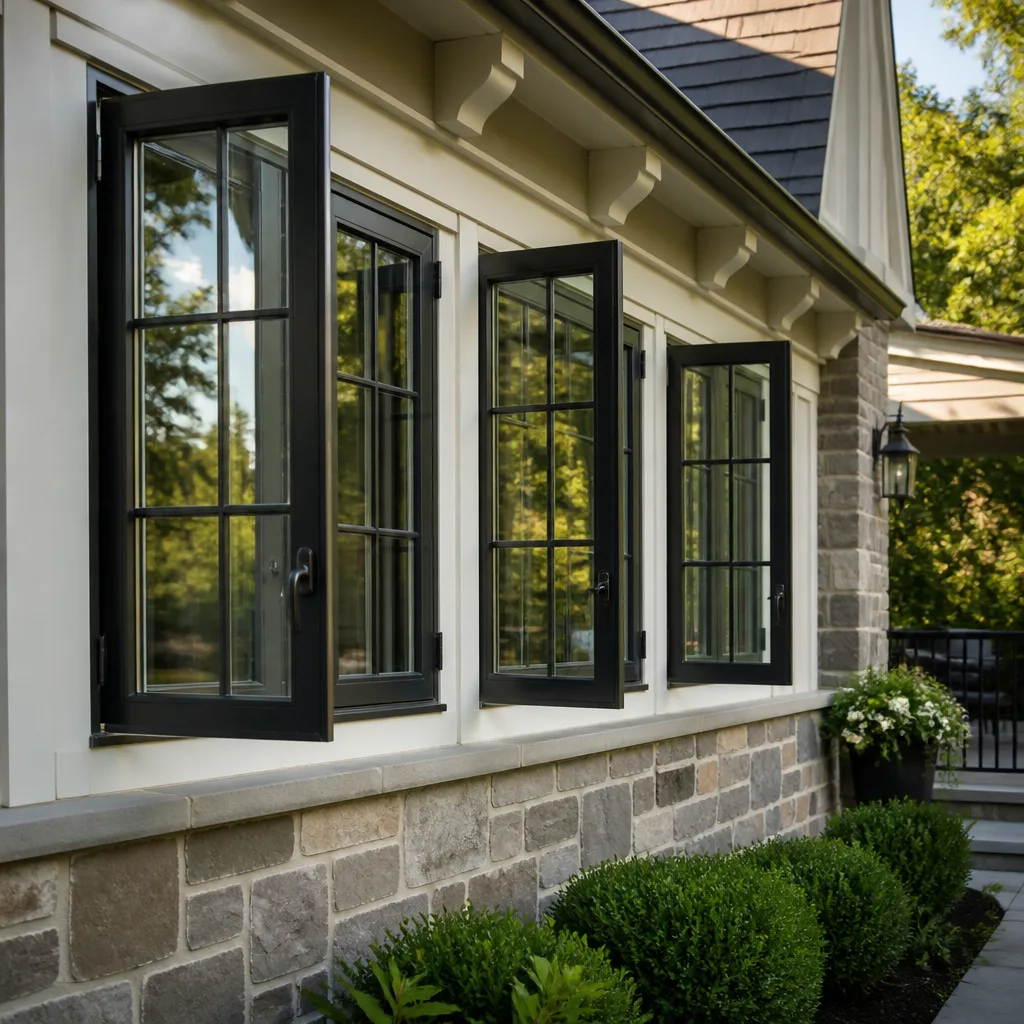
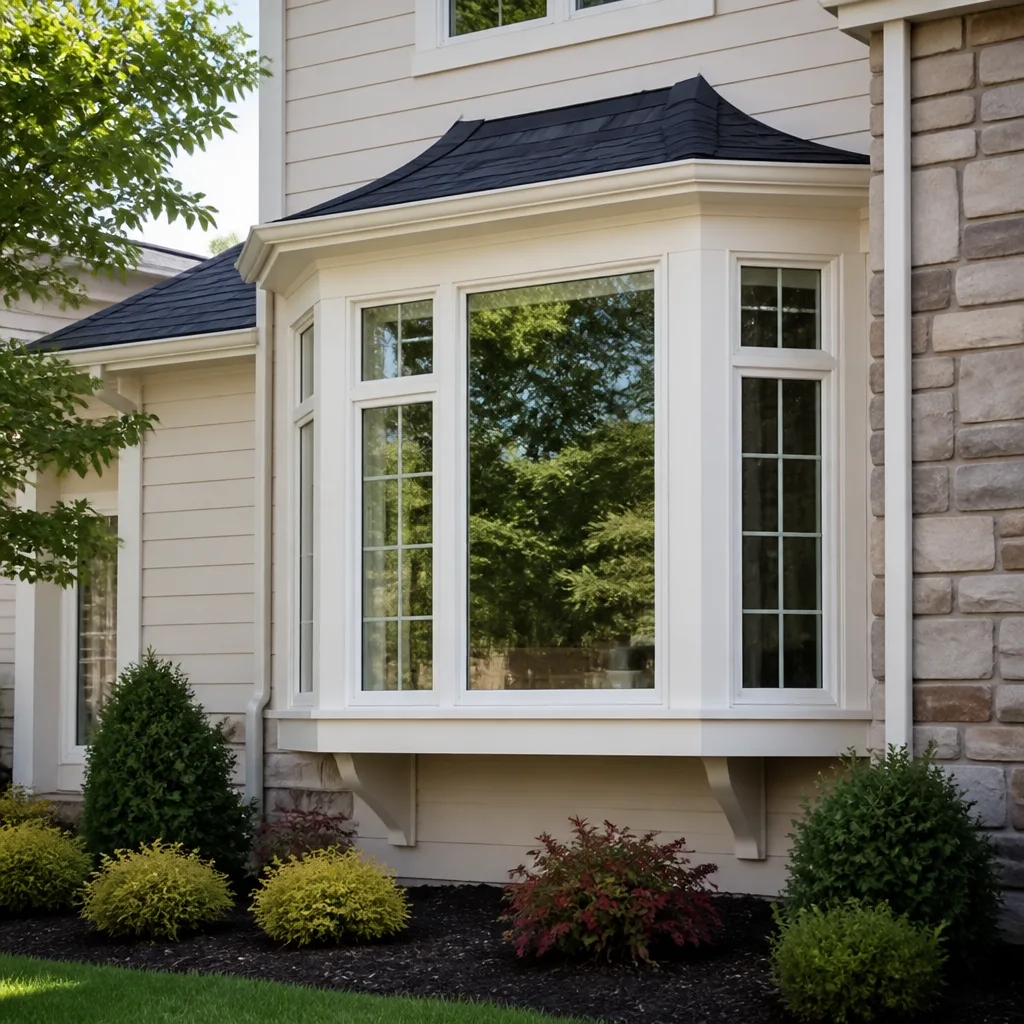
Sliding glass doors
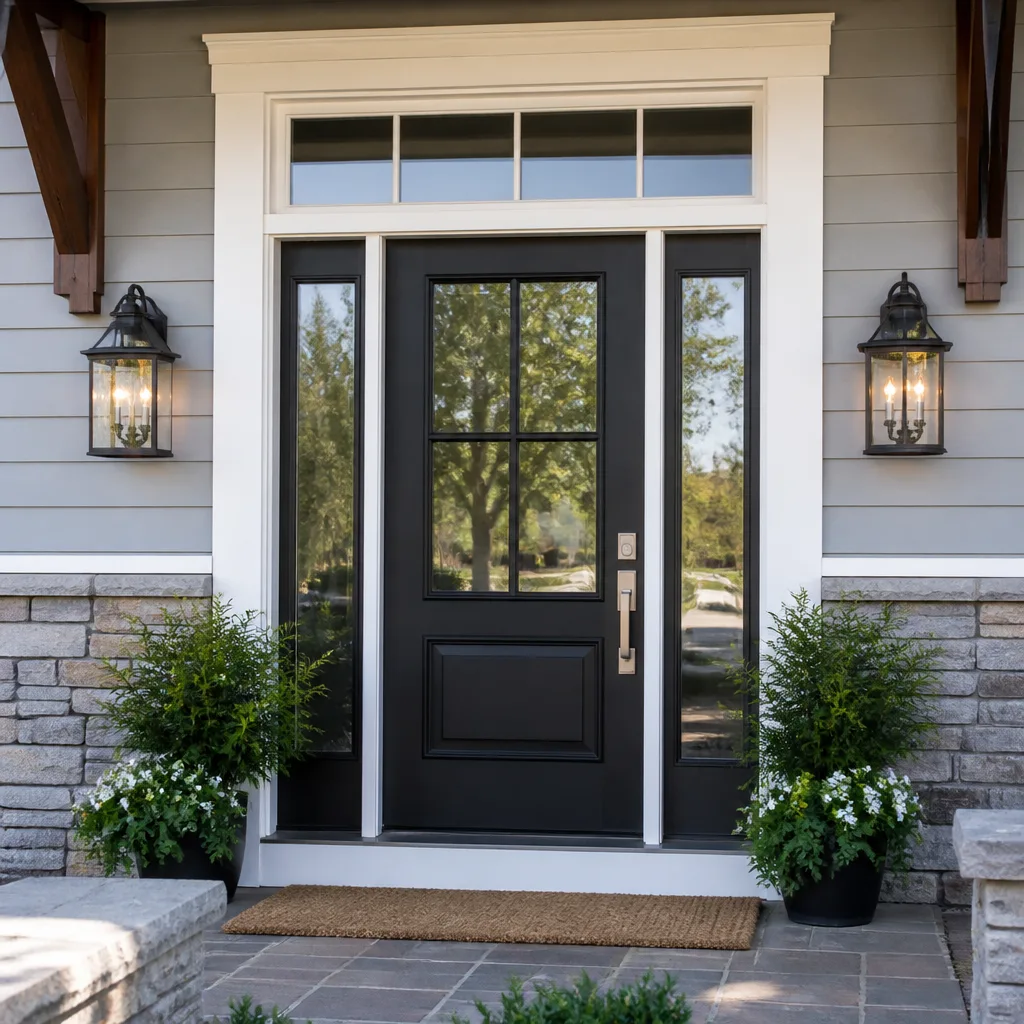
Impact garage doorsPGTCGI
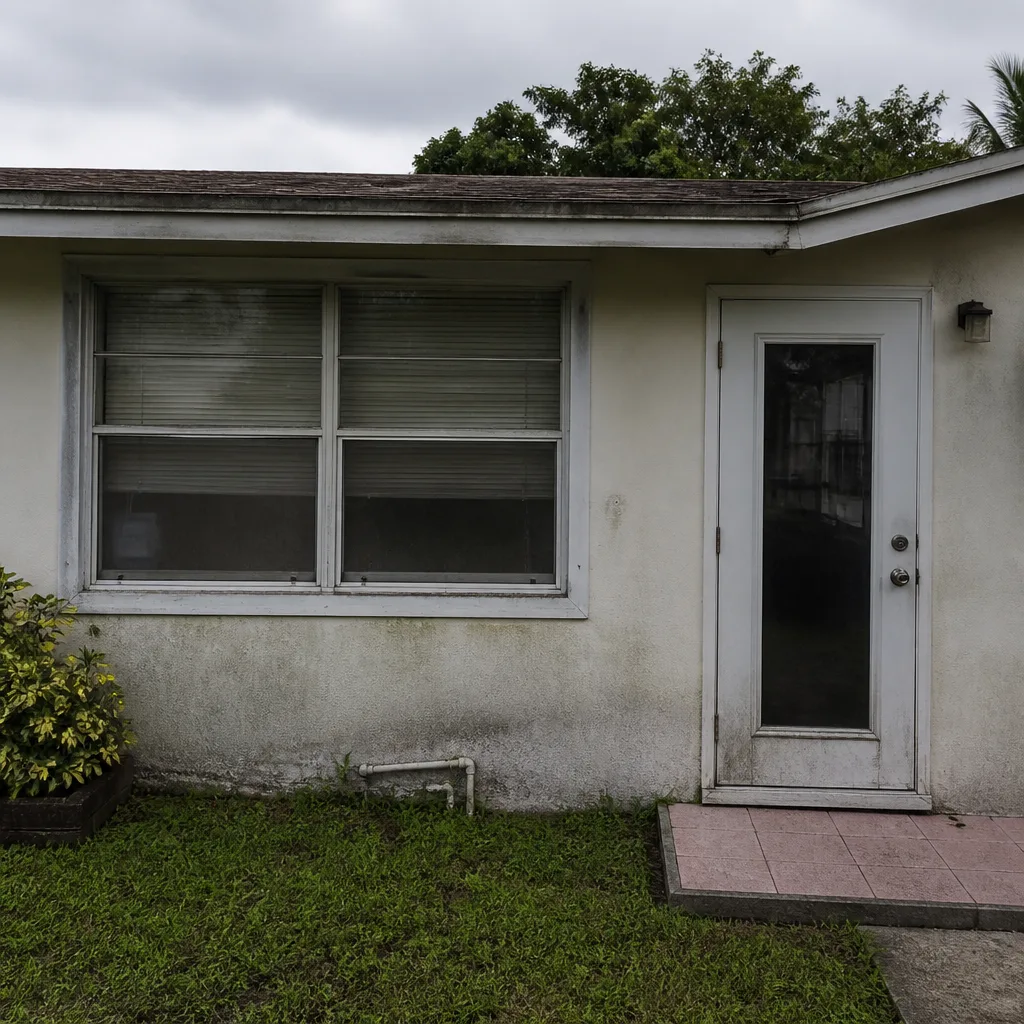 Before
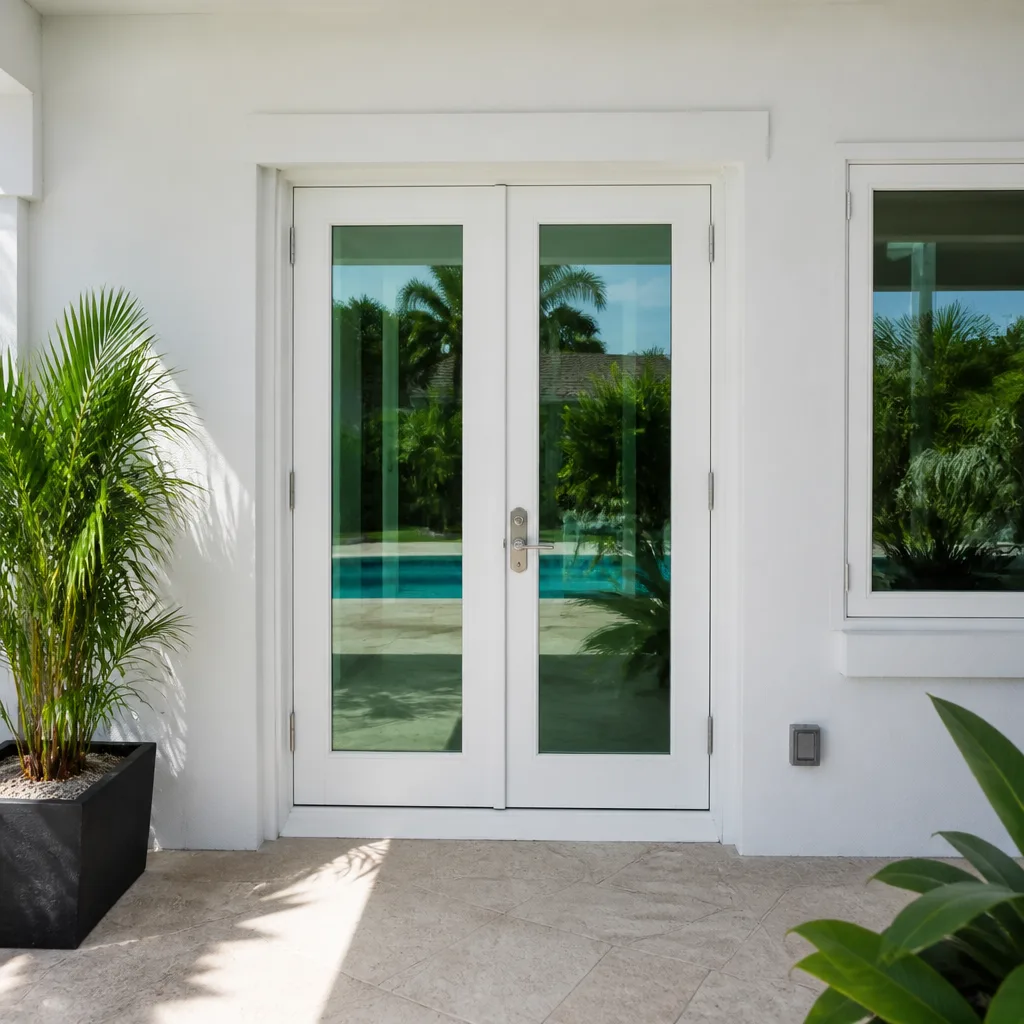 After
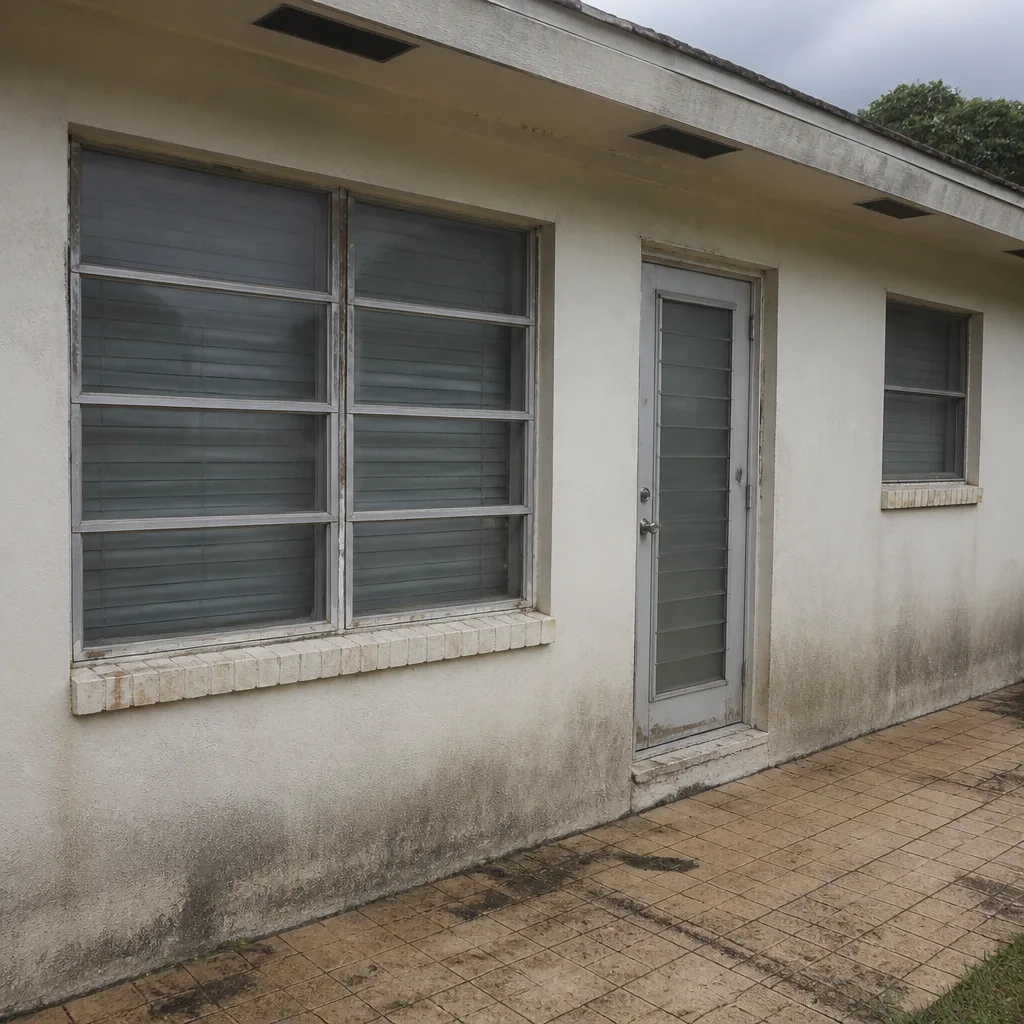 Before
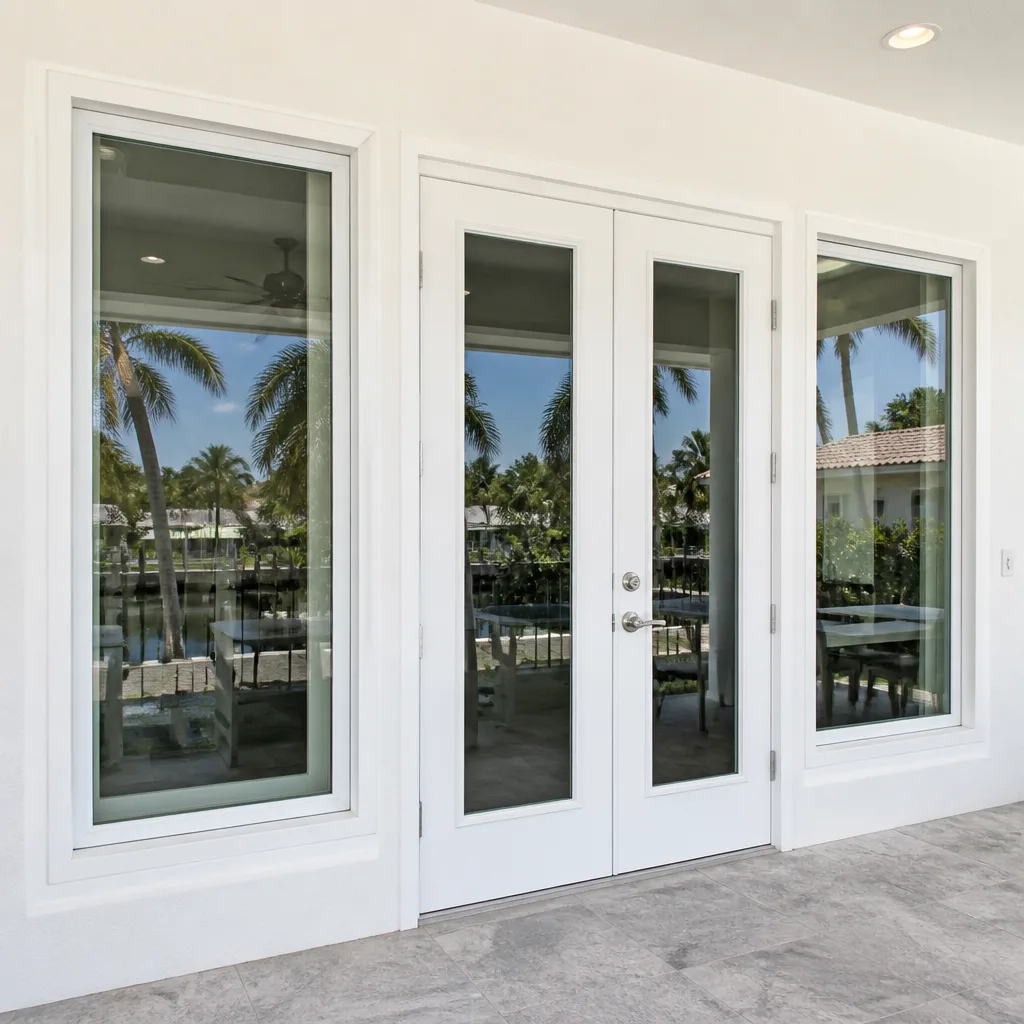 After
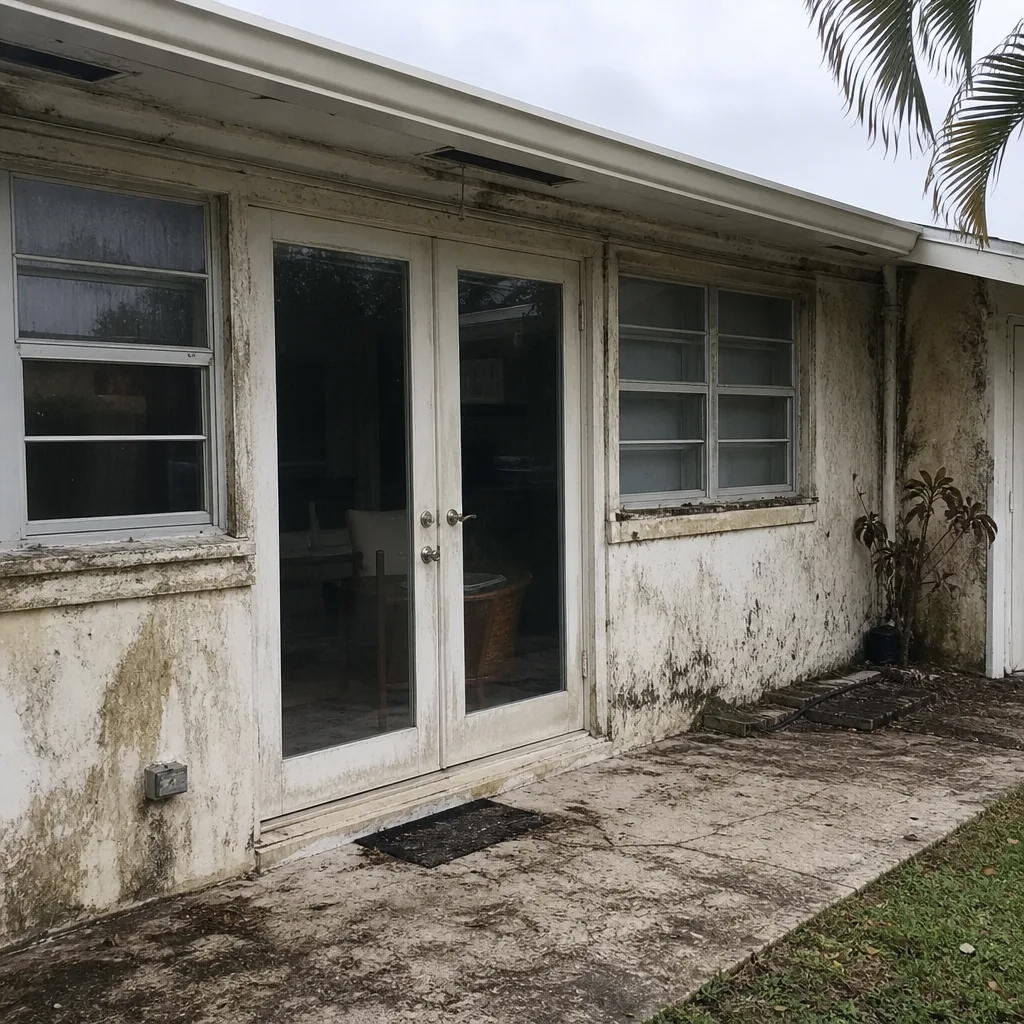 Before
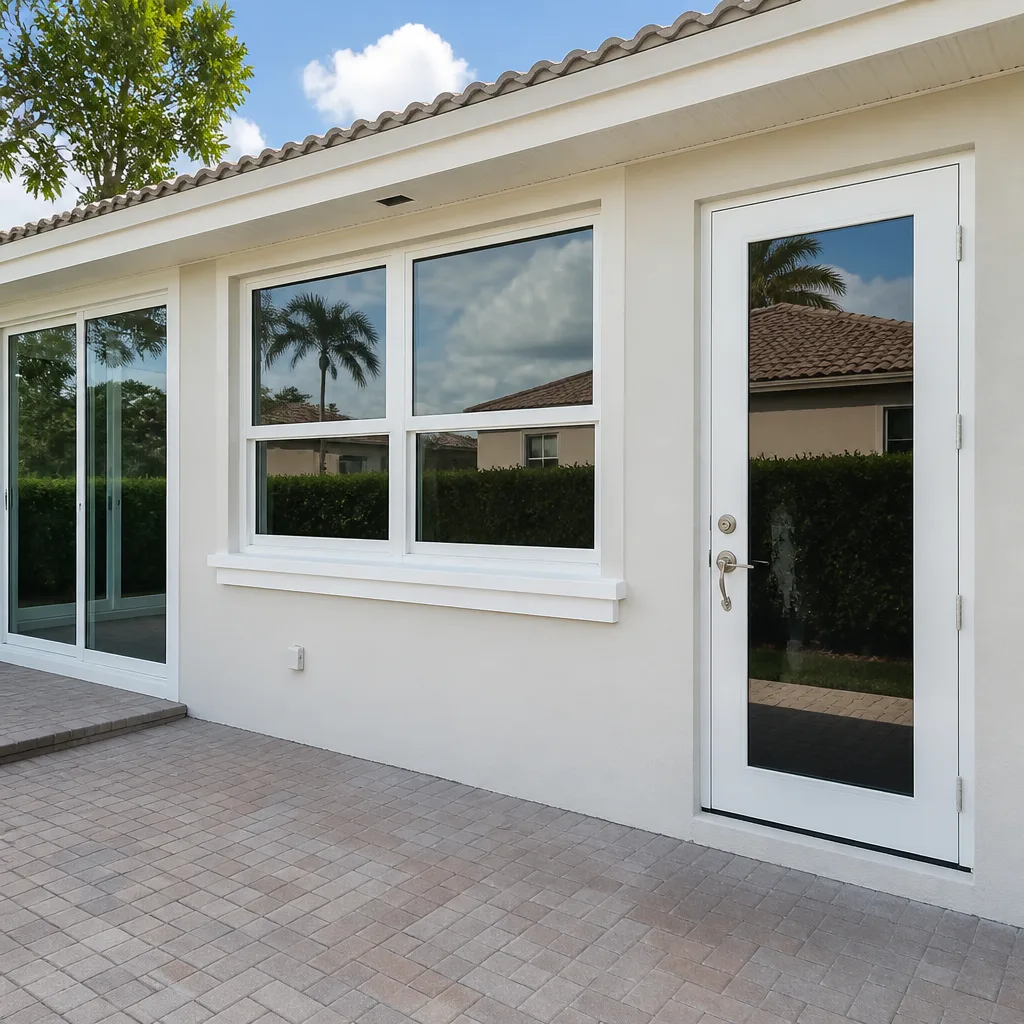 After
Windows & Doors Permits, Codes & Inspections in FL: What You Need to Know
Here’s a fact that surprises most Florida homeowners: a replacement window installed without the right paperwork can void your homeowner’s insurance policy faster than a named storm can strip shingles off a roof. Florida is not casual about wind-borne debris, and the state’s building code is written in response to hurricanes that have torn through Deerfield Beach and every other coastal community in Broward County. This guide covers the permits, codes, and inspections that govern window and door work in Florida. You’ll learn what triggers a permit, which inspections you cannot skip, what the 7th Edition Florida Building Code changed, and how to keep a warranty intact when the wind blows.
Minimum project: the minimum project size is 3 openings, so plan on 3 windows or more.
Quick Answer
In Florida, most window and door replacement work requires a building permit from your local building department, and the finished installation must pass a wind-load and impact inspection tied to your home’s specific location on Florida’s wind-borne debris map. For Deerfield Beach homeowners, any window or door being replaced in a wind-borne debris region must meet Miami-Dade or Florida Product Approval standards, and most insurers require proof of inspection before they’ll renew a policy. Plan on permit fees, one to two inspections, and roughly one to three weeks for the paperwork if you’re not pulling permits yourself.
Table of Contents
- The Florida Building Code and Why It Exists
- When a Permit Is Actually Required in Florida
- Wind-Borne Debris Regions and Impact Requirements
- The Permit Process Step by Step
- Understanding Inspections: What Gets Checked and Why
- What Permits and Inspections Cost in Deerfield Beach
- HOA and Condo Requirements That Override Building Code
- Common Mistakes to Avoid
- When to Call a Professional
- Frequently Asked Questions
The Florida Building Code and Why It Exists
Florida operates under a single statewide building code, the Florida Building Code (FBC), now in its 7th Edition as of 2023 with the 8th Edition adopted in phases through 2024 and 2025. Before 2002, each county and municipality had its own code, which meant a window rated for Broward County might not pass muster in Palm Beach County. That changed after Hurricane Andrew flattened Homestead in 1992 and revealed exactly how many structures had been built to a standard that could not survive a Category 5. The state created a unified code with one overriding priority: keep the building envelope intact when the wind hits.
For windows and doors, the FBC does not ask whether a product looks good or opens smoothly. It asks three questions: What wind pressure is this opening required to withstand? Is this structure in a wind-borne debris region? And is the product approved, meaning tested, labeled, and documented? The answer to those questions determines whether your new sliding door is code-compliant or a liability.
The code references two product approval standards: Florida Product Approval and Miami-Dade County Product Approval. Products approved under either are tested at independent laboratories for structural wind load, air infiltration, water resistance, and for impact products, large-missile impact. In Deerfield Beach, which sits fully inside a wind-borne debris region, the impact requirement applies to every exterior opening in a single-family home, not just coastal high-rises. We’ve seen Deerfield Beach homeowners get surprised by this when replacing a back bedroom window that faces a neighbor’s fence, assuming the wind only comes from the ocean. The code does not care which way the window faces; it cares where the structure sits.
What the 7th Edition Changed for Windows and Doors
- Higher design wind speeds. Broward County is now mapped at higher base wind velocities than in the 6th Edition, which pushes some homes near the coast into a stronger pressure zone.
- Stricter water infiltration testing. Products need more robust ratings for water resistance, important in Deerfield Beach where afternoon thunderstorms can dump an inch of rain in 40 minutes.
- Increased emphasis on existing building provisions. The code clarifies when a repair becomes a replacement that must be brought up to current standards.
- Updated installation requirements for impact products. Fastener schedules, mullion engineering, and anchor requirements were tightened, which matters because a correct product installed with the wrong screws fails inspection.
When a Permit Is Actually Required in Florida
The short answer: if you are replacing a window or door, you almost certainly need a permit. The slightly longer answer: the Florida Building Code requires a permit for any work described as “replacement of a window or an exterior door in a wind-borne debris region.” Since all of Deerfield Beach is in a wind-borne debris region, that means a permit for glass replacement, full-unit replacement, and any change to the rough opening. There are a few narrow exceptions, but they are narrow enough that homeowners should assume a permit is required and verify the exception rather than skip the permit and hope.
Here’s what typically triggers a window or door permit in Florida:
- Replacing an entire window unit (frame and sash). Even same-size replacement with no structural change requires a permit in Deerfield Beach.
- Replacing an exterior door, including front entry doors, sliding patio doors, garage entry doors, and French doors. Interior doors never trigger a permit.
- Any change to the rough opening size. Enlarging or reducing an opening requires structural review and likely engineered drawings.
- New penetrations in an exterior wall. Adding a window where none existed or converting a window into a door.
- Repairing glazing in an existing frame. This is the gray area: in many jurisdictions, replacing glass only (sash reglazing) without touching the frame is considered a repair, not a replacement. But in Deerfield Beach, if the sash itself is removed and replaced, the building department treats it as replacement work requiring a permit.
We tell every Deerfield Beach homeowner the same thing: if you’re not sure, call the city’s building services division or ask us during a quote. A five-minute phone call prevents the situation where a real estate transaction stalls because there’s no record of a permitted window replacement from 2021.
Wind-Borne Debris Regions and Impact Requirements
Florida’s building code divides the state into two zones: areas where wind-borne debris is a design consideration, and areas where it is not. The line is drawn based on wind speed, and here’s what matters for residents: nearly all of Broward County, including every neighborhood in Deerfield Beach, sits inside the wind-borne debris region. That means exterior windows and doors in single-family homes, duplexes, townhouses, and commercial buildings must either be impact-resistant or protected by an impact-rated system like shutters that meet the code’s large-missile test.
The large-missile impact test is not a hammer tap. Products are shot with a 9-pound 2×4 traveling at about 34 miles per hour, meant to simulate a framing stud blown off a neighbor’s roof in a Category 3 storm. After impact, the product must survive 9,000 positive and negative pressure cycles without the glass pulling out of the frame or the frame pulling out of the opening. That is the standard your windows in Deerfield Beach are held to, and it’s why impact products from PGT, Jeld-Wen, and Simonton cost more than their non-impact equivalents from the same manufacturers.
How to Confirm a Product Meets Florida Standards
- Look for the Florida Product Approval number or Miami-Dade NOA (Notice of Acceptance). Every approved product carries one or both. The number is printed on the product label and cross-referenced in a state database.
- Check the label is attached to the frame or sash, not loose in the box. A loose label cannot be trusted to match the product; it could be from another unit.
- Verify the installation method matches the approval drawings. The approval includes a specific fastener schedule, anchoring pattern, and required sealants. Wrong fasteners void the approval and fail inspection.
- Keep the paperwork. Insurance companies and home buyers will ask for proof that the installed product matches the approved documentation. A written record with both product and installation information is not optional in a wind-borne debris region.
One more piece of Deerfield Beach-specific context: the city is not a Miami-Dade HVHZ (High Velocity Hurricane Zone) area, but it follows the FBC wind provisions that still require full impact compliance for all residential structures. That distinction trips up homeowners who read about “Miami-Dade windows” and think they only apply south of Golden Glades. If you see a window advertised without a Florida product approval specific to the impact standard, it’s not approved for Deerfield Beach.
The Permit Process Step by Step
Permitting in Deerfield Beach goes through the city’s Building Services Division, and the process works in a predictable sequence once you know what to submit. Here’s the step-by-step, based on what we walk homeowners through on every replacement job in the city.
- Determine the scope of work. Is this a like-for-like replacement, a size change, or a new opening? Like-for-like is the simplest permit path. Any size change or new structural penetration requires engineered drawings and a plan review.
- Gather product documentation. You’ll need the Florida Product Approval number or NOA for every window or door being installed, plus the installation details from the approval drawings. If you’re working with a contractor, they should supply this as part of the quote. If they can’t, that’s a warning sign.
- Complete the permit application. Deerfield Beach accepts permit applications online through its e-permitting portal or in person at City Hall. The application includes the property address, a description of the work, the contractor information if one is involved, and the valuation of the work.
- Pay the permit fee. Fees are based on the job valuation and are detailed in the costs section below. Expect to pay at application or when the permit is ready for issuance.
- Wait for plan review. Like-for-like replacements typically clear review in a few business days. Structural changes take longer, sometimes two to four weeks depending on the city’s workload and whether the plans require review by a structural engineer.
- Receive the permit and post it. The permit must be posted at the job site and available for the inspector.
- Complete the installation. The work can begin only after the permit is issued. Installing before permit issuance is a code violation and can trigger fines and re-inspection fees.
- Schedule the inspection. Call or use the online portal to book the final inspection after the install is complete. The inspector verifies the product matches the permit and checks fastener patterns and flashing against the approved drawings.
- Close the permit. Once the inspection passes, the permit is closed and the record is on file with the city. This closed permit is your proof that the work was done to code.
We handle the permit paperwork as part of every install, and we don’t consider a job done until the permit is closed and the paperwork is in the homeowner’s hand. A permit that stays open for years is nearly as bad as no permit at all when a house goes on the market.
Understanding Inspections: What Gets Checked and Why
Florida window and door work generally triggers one inspection, the final building inspection, though some jobs may also require a framing inspection if structural work was done. The inspection is not a formality. The inspector is verifying what the code cares about: that the products installed match the approved documents, that the anchoring method matches the approval drawings, and that flashing and sealing protect the building envelope from water intrusion.
In Deerfield Beach, the building inspector will typically check:
- Product labels. The Florida Product Approval or NOA number on the frame or sash must match the number on the permit documents. Discrepancies are an automatic fail.
- Fastener type and spacing. The inspector measures edge distance, spacing between anchors, and confirms fastener size against the approval drawings. We’ve watched installs fail because a crew substituted zinc-coated screws for the approved corrosion-resistant stainless fasteners.
- Mullion engineering. When two windows are joined in a single opening, the mullion must be engineered and installed to the approval specification. An unengineered mullion is a common failure point and a common inspection failure.
- Flashing and air barrier continuity. The inspector checks how the new unit integrates with the home’s weather-resistant barrier, looking for gaps, torn house wrap, and missing flashings at the head and sill.
- Water management at sliding doors and threshold doors. Drainage paths must be preserved, especially at patio doors and primary entry doors where Deerfield Beach’s heavy rains put wall transitions under stress.
One thing homeowners often miss: the inspection only verifies what the inspector can see. A fastener hidden behind trim cannot be verified, which is why the inspection is typically scheduled after installation but before drywall repairs or interior trim cover the evidence. Rushing to patch and paint before the inspection is a good way to earn a reinspection fee.
What Permits and Inspections Cost in Deerfield Beach
Permit fees in Deerfield Beach are calculated on the valuation of the work, with minimum fees for small jobs. As of the current fee schedule, a like-for-like window replacement job with a job valuation around $4,000 typically carries a permit fee between $150 and $300 in the city. That breaks down roughly as follows:
- Building permit fee: $75 to $200 depending on valuation tier
- Plan review fee when required: $50 to $120 for like-for-like, higher for structural changes
- Inspection fee: Included in the permit fee in Deerfield Beach for basic inspections
- Reinspection fee: $75 to $150 per reinspection if the first inspection fails
- State surcharges: A small percentage added to every permit to fund the state’s building commission
The total is not large relative to the cost of impact windows, but it’s not zero either. A consistent theme across Deerfield Beach permits is that the fee rises with job complexity. A simple two-window replacement runs a modest fee. A full home window and door package with a size change and structural work can push permit costs over $1,000 once engineering and plan review are factored in. We provide the exact permit line item on every quote so a homeowner never sees a surprise city fee tacked onto the final bill.
HOA and Condo Requirements That Override Building Code
Building code is the floor, not the ceiling. In Deerfield Beach, many single-family neighborhoods operate under HOAs, and most condominium buildings have association rules that are stricter than the Florida Building Code. The code tells you the minimum standard. The HOA can require a higher standard: specific product lines, specific colors, specific impact ratings, or even a complete replacement of all visible windows rather than a patchwork of mismatched units.
Condo owners face an additional layer. In most Florida condominiums, windows and doors that serve a unit are part of the condominium association’s common elements, not the unit owner’s property. That means the association, not the owner, may be responsible for permitting, selecting products, and approving the installation. A unit owner who swaps out a sliding door without association approval can face a fine, a demand to reverse the work, and a code violation if the new product doesn’t meet the building’s wind-load requirements.
Practical steps for Deerfield Beach homeowners:
- Read the HOA documents before signing a contract. The architectural control section spells out what requires pre-approval and what finishes are acceptable.
- Request HOA approval in writing. Verbal approval from a board member disappears when the board turns over.
- For condos, get a letter from the association confirming who owns the windows and who is responsible for replacement. This single document prevents the most common condo window dispute we see in Deerfield Beach.
- Do not assume a contractor checks HOA rules. Some don’t. We always ask about HOA requirements at the first appointment because proceeding without approval costs the homeowner time and money when the board rejects the installation.
Common Mistakes to Avoid
- Skipping the permit entirely. We see this most often with handyman-replaced sliding doors in Deerfield Beach. The work looks fine until the house goes up for sale or an insurance adjuster asks for the closed permit, and then it costs more in retroactive permitting and rework than the original installation did.
- Replacing an impact window with a non-impact product. Some homeowners, frustrated by a fogged seal in an impact unit, shop by price and end up with a beautiful non-impact replacement that fails code and voids their windstorm coverage. In Deerfield Beach, every exterior replacement must meet impact standards.
- Keeping the old product labels instead of verifying the new ones. The inspector checks the labels on the installed units, not the paperwork in a drawer. A loose label from a previous job does not pass inspection and can trigger a fraud investigation with some jurisdictions.
- Using unapproved fasteners. The approval drawings specify galvanized or stainless steel fasteners in specific sizes and spacings. Substituting deck screws from a big-box store is the most common cause of failed inspections we’ve seen in Deerfield Beach.
- Covering the rough opening before inspection. Once trim and drywall hide the flange and fasteners, the inspector cannot verify the installation and will fail it. The interior finish work waits in our install schedule for exactly this reason.
- Assuming a “Miami-Dade” product is automatically approved for Broward County. Most Miami-Dade NOAs are accepted, but the product still must be installed to the approved drawings and matching wind-load requirements. “Close enough” is not a code standard.
When to Call a Professional
Replacing a single pane of glass in an existing frame may be a job some homeowners tackle. Replacing the frame, a sliding door, or any impact product in a wind-borne debris region is not. The failure mode is invisible until a storm finds it, and the consequences run from a failed inspection to a voided insurance claim. Call a professional when the work requires a permit, when impact compliance is involved, or when you’d rather not argue with an HOA about window colors and product approvals.
TruePane Windows & Doors offers free estimates in Deerfield Beach. We handle permits, inspections, product documentation, and HOA coordination so the homeowner walks away with a closed permit and two registered warranty layers instead of a stack of open questions. Call us at (786) 743-5882.
Frequently Asked Questions
Yes, in Deerfield Beach and most of Broward County, replacing a single exterior window unit requires a building permit because the home is in a wind-borne debris region. Glass-only repair within the existing frame may qualify as a repair rather than a replacement, but if the sash or frame is changed, plan on a permit. Call (786) 743-5882 for a free assessment of what your specific project requires.
Most like-for-like window and door replacement permits in Deerfield Beach cost between $150 and $300 based on the job valuation, with structural changes pushing the total higher. We list the exact permit fee as a line item in every written quote so there’s no ambiguity about what the city charges.
An unpermitted replacement becomes a problem when the house is sold, refinanced, or insured after a claim. The city can require a retroactive permit, the installation may need to be uncovered for inspection, and non-compliant work must be corrected at the homeowner’s expense. It’s a fixable problem but an expensive one compared to permitting correctly the first time.
Yes. All of Deerfield Beach sits inside the Florida Building Code’s wind-borne debris region, which means exterior windows and exterior doors must either be impact-rated or protected by an approved impact-rated system. Non-impact replacements are not code-compliant for exterior openings in the city.
For a like-for-like replacement, the Deerfield Beach Building Services Division typically issues a permit within a few business days after application. Structural changes that require plan review by an engineer can take two to four weeks. We file the paperwork as soon as the contract is signed, which keeps the project moving.
Major manufacturers including PGT, Jeld-Wen, and Simonton expect their products to be installed in compliance with the local building code, and an unpermitted installation can void the manufacturer’s warranty coverage. The same logic applies to TruePane’s TruePane Windows & Doors home warranty process: permitted, inspected work is work we stand behind in writing.
The Bottom Line
Florida’s permit and inspection system for windows and doors is not bureaucratic friction; it’s the state’s defense against a storm that finds every weak opening when the wind lines up right. In Deerfield Beach, the rules are straightforward: a permit is required for almost every exterior window and door replacement, impact compliance is mandatory, and the inspection verifies that what’s installed matches what was approved. Get those three pieces right and you have a protected home, an intact insurance policy, and paperwork that makes the next sale easy. Get them wrong and you’re paying twice. Call (786) 743-5882 for a free estimate, and we’ll handle the permits, inspections, and paperwork on every window and door we install.
Written by the team at TruePane Windows & Doors.
Six Reasons Homeowners Choose TruePane Windows & Doors
Impact systems engineered to design pressures up to +/-100, matched to your wind zone - your openings hold when the storm arrives.
Low-E insulated impact glass from our manufacturer lines commonly cuts monthly cooling bills 20-30%.
Laminated impact glass shuts out up to 40% of outside noise - traffic, neighbors, weather.
Monitoring services run $30-90 a month. Laminated impact glass resists forced entry around the clock, with no subscription.
Florida homeowners average around 25% savings on the windstorm portion of their policy after protecting every opening - some homes qualify for more.
A full impact package upgrades curb appeal, buyer confidence and appraised value in one project.