
Last updated August 25, 2026
Free in-home measure and quote - PGT, CGI and CWS impact lines compared on your actual openings, style by style
Sliding glass doors
Impact garage doorsPGTCGI
 Before
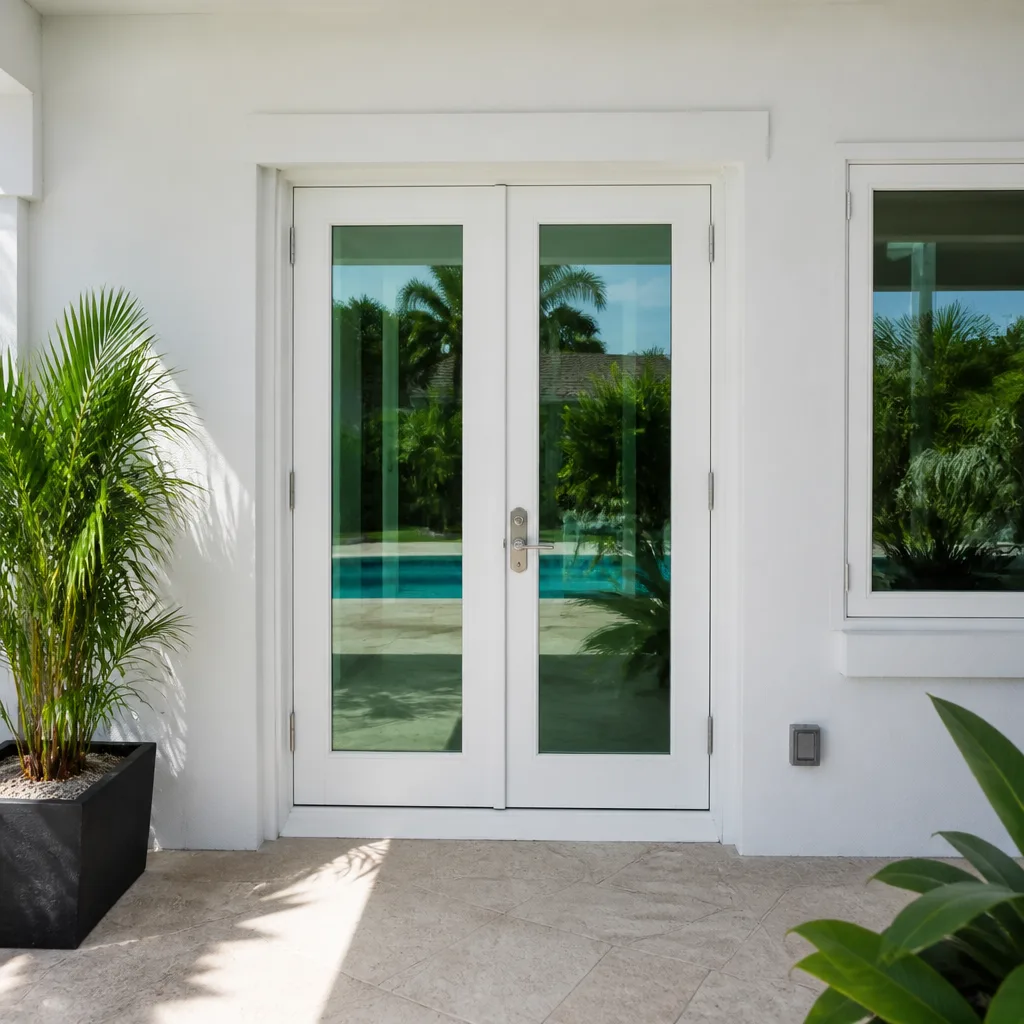 After
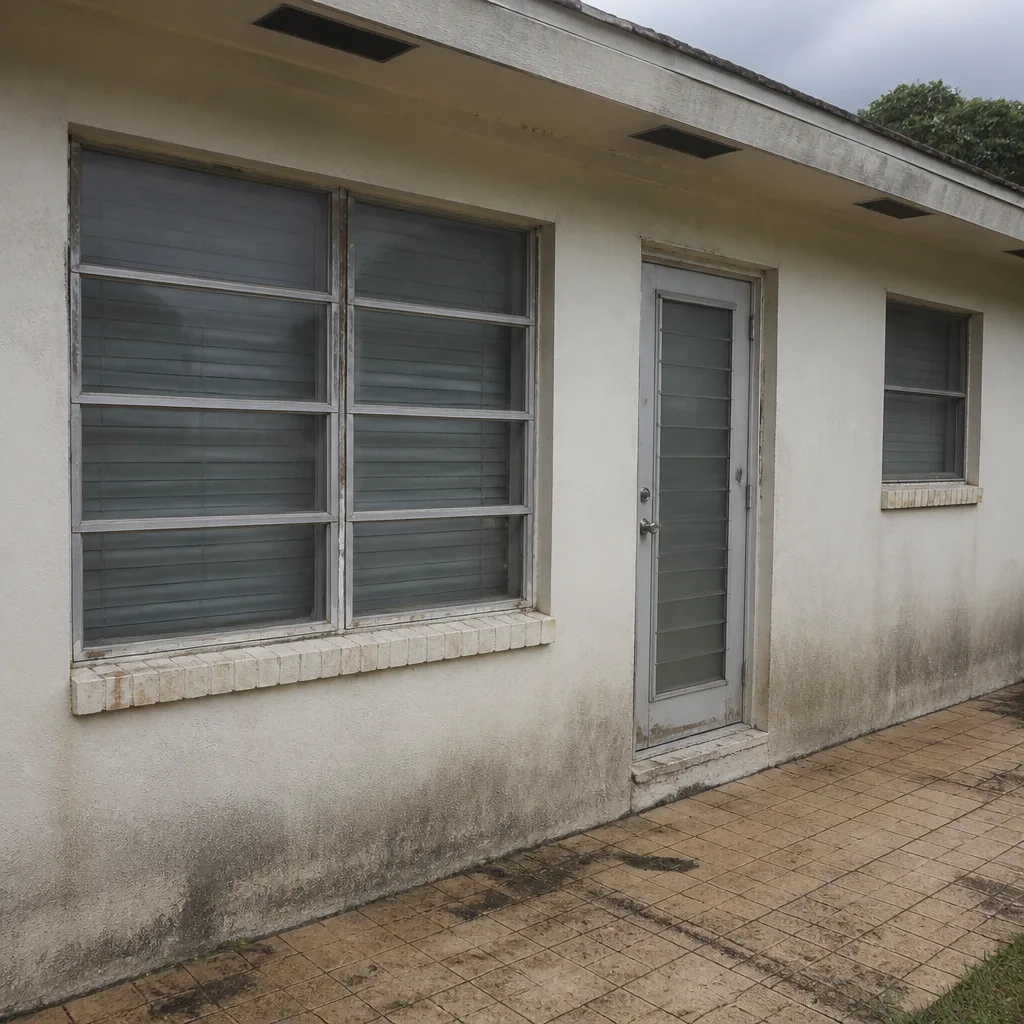 Before
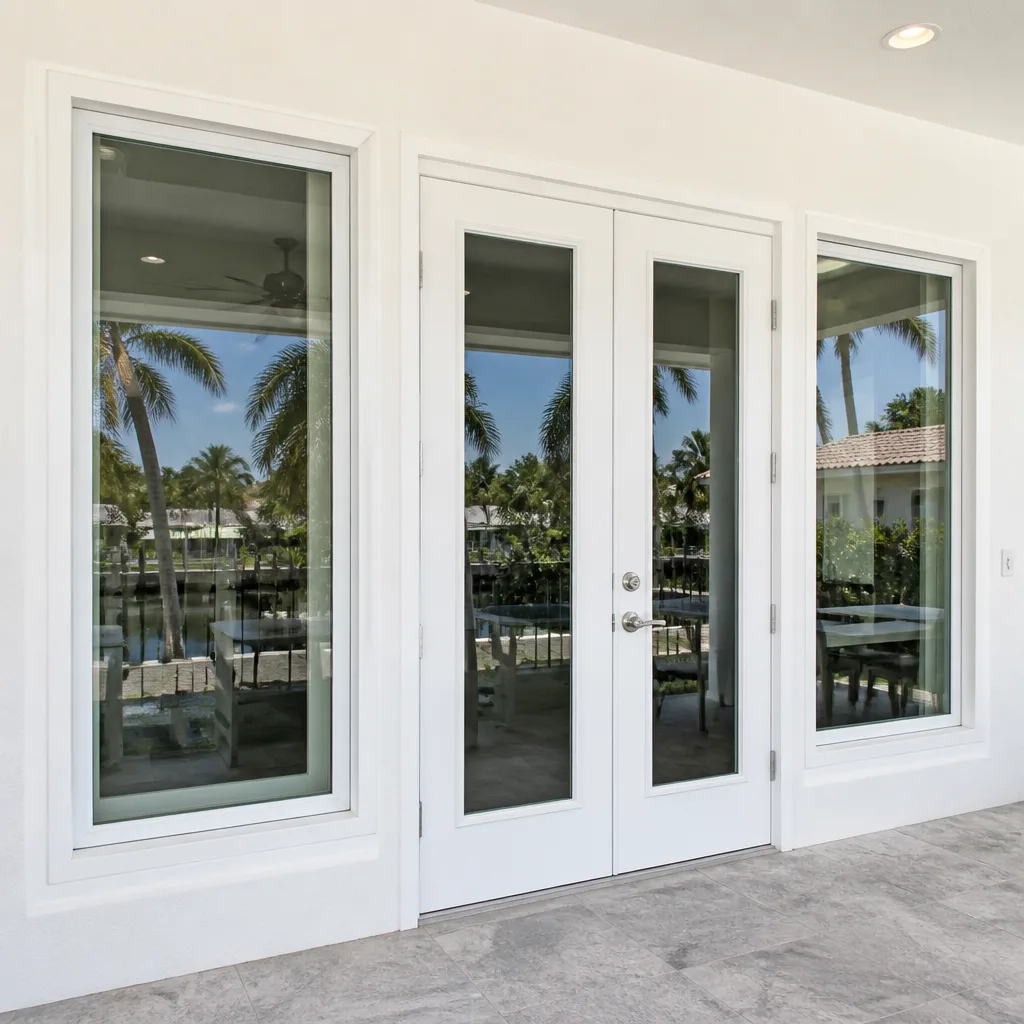 After
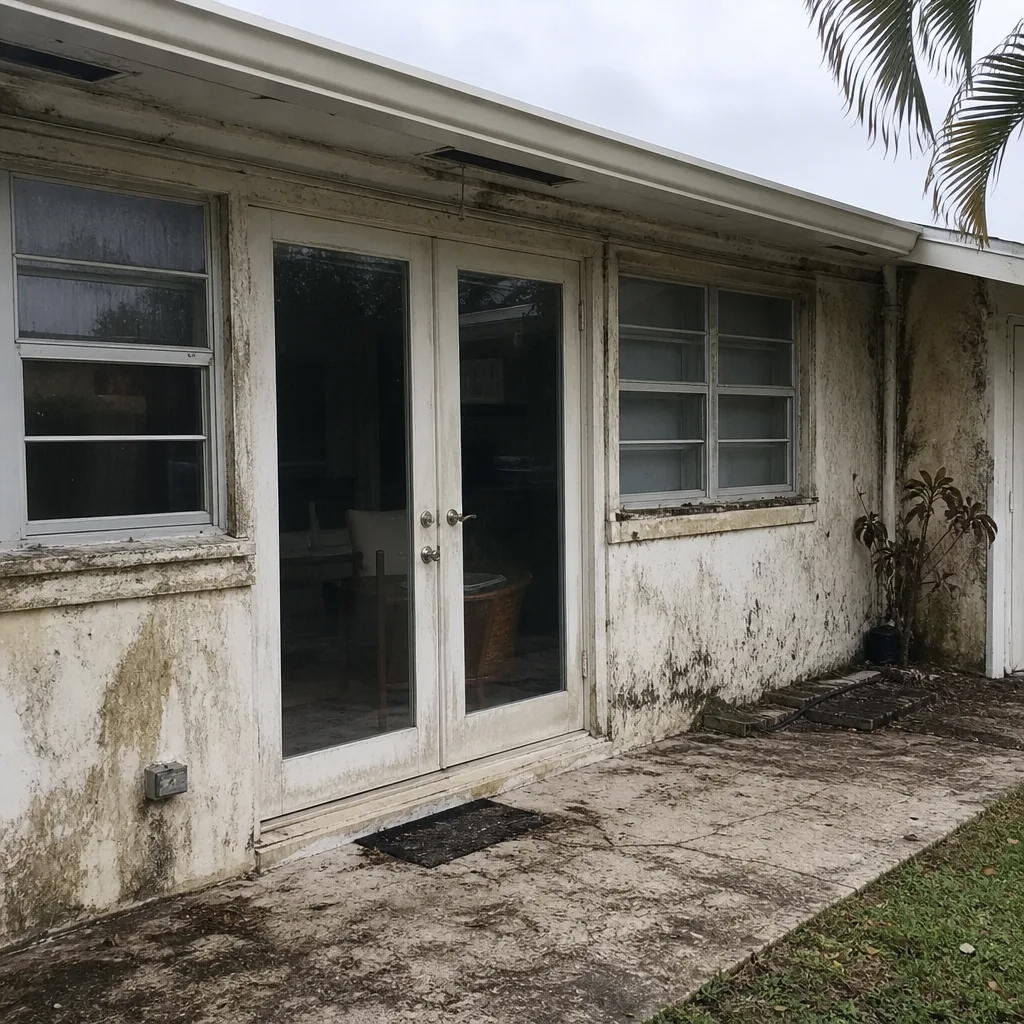 Before
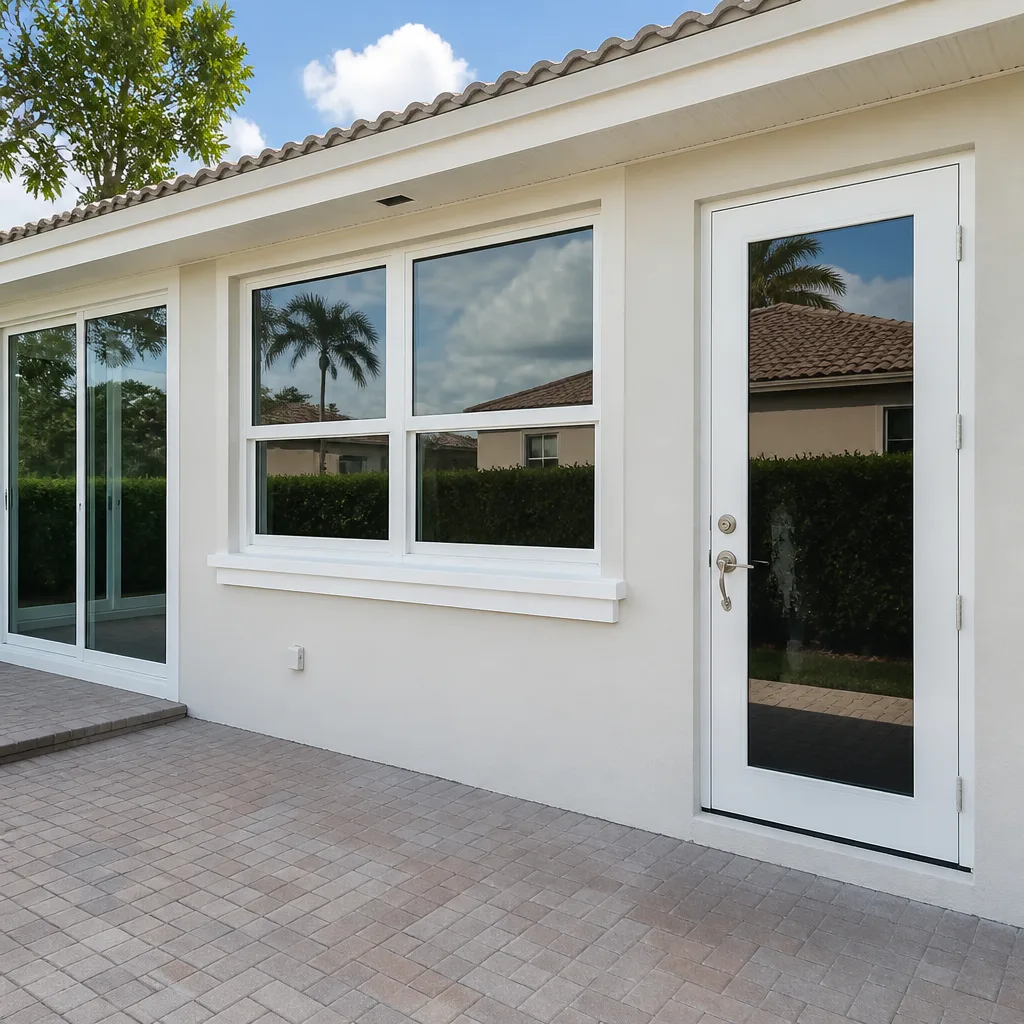 After
Windows & Doors Warning Signs: A Deerfield Beach Homeowner’s Reference Guide
Most Deerfield Beach homeowners replace windows and doors about ten years later than they should. Not because the budget was not there, but because nobody showed them what early failure actually looks like. A window can look fine from the couch and still be leaking air through a failed seal, a door can close every day and still have a frame pulling away from the wall. This guide will walk you through the warning signs that matter, what they cost to fix, and when a replacement is the cheaper decision than another repair. It is written for the homeowner who plans to stay.
Minimum project: 3 openings (3 windows minimum).
Quick Answer
The clearest warning signs that windows or doors in a Deerfield Beach home need attention are visible condensation between glass panes, drafts you can feel with the back of your hand, frames that have softened or rotted at the sill, doors that bind or drag in humid months, and impact glass with cracks or clouding after a storm. If you notice any of these, get a professional assessment before the damage spreads to the wall framing. Ignoring them typically turns a $200 repair into a $2,000 replacement.
Table of Contents
- Condensation Between the Panes: A Failed Seal, Not a Cleaning Problem
- Drafts and Air Leaks: How to Find Them Before They Find Your Electric Bill
- Rotted or Soft Frames: The Salt Air Factor in Deerfield Beach
- Doors That Bind, Drag, or Refuse to Latch in Summer
- Impact Glass: Cracks, Clouding, and What the Code Requires
- Hardware Failure: Cranks, Locks, Rollers, and the Quiet Wear You Miss
- Your Electric Bill Is Telling You Something: The Energy Warning Sign
- Age of Your Windows: The 20-Year Threshold and What Changes
Condensation Between the Panes: A Failed Seal, Not a Cleaning Problem
If you have wiped the inside of a window a dozen times and the fog will not go away, the problem is not on the surface. It is inside the insulated glass unit. The airspace between the two panes is sealed and filled with an inert gas, usually argon, that helps the window insulate. When that seal fails, humidity from the Deerfield Beach air works its way in, and the window fogs from the inside out. No cleaner, no desiccant trick, no YouTube fix will restore it.
We see this constantly in homes along the Intracoastal and out toward Crystal Lake and The Cove. Salt-laden air is harder on window seals than inland climates, and seal failure shows up earlier here, often as soon as eight to twelve years depending on exposure. Once the seal goes, you lose the insulating gas. The window still blocks wind, but its thermal performance drops sharply. In July, you can feel the heat radiating through the glass from across a room.
The repair is a replacement of the glass unit itself, sometimes called an insulated glass replacement or IGU swap. The frame stays in place. The cost for a standard double-hung or slider in Deerfield Beach runs roughly $180 to $380 per pane installed, depending on size, glass type, and whether the window is impact-rated. If the window is old enough that the frame is also worn, full replacement makes more sense. A good contractor will tell you which one is the square deal. Some will just sell you whichever one pays them more.
One note: if you have several windows fogged in the same room, count on the rest of that room’s windows to follow. Seals fail in batches. Same installation year, same exposure, same materials. It is worth pricing all of them at once rather than doing one at a time over three years.
Drafts and Air Leaks: How to Find Them Before They Find Your Electric Bill
A draft is not always a gust you can feel standing in the living room. Most air leaks around windows and doors in Deerfield Beach are slow, constant, and invisible. You find them with the back of your hand on a windy day, or with an incense stick moved along the frame edges. The smoke will waver where daylight gaps or worn weatherstripping let air pass. Do this on all four sides of every window and around each door, especially on the north and east walls that catch the winter fronts.
What causes the leak matters more than the leak itself. Sometimes it is simply compressed weatherstripping around a door, a $75 to $150 fix that takes under an hour. Sometimes it is a window sash that has settled out of square, a frame that was installed out of plumb years ago, or caulking that has cracked and peeled away on the exterior. In some Deerfield Beach homes we see original single-pane aluminum frames from the 1970s that were never energy-efficient to begin with. You can replace the weatherstripping on those, but you are still left with an aluminum frame conducting heat and cold all day long.
Here are the places to check first:
- Along the bottom rail of sliding glass doors, where the pile weatherstripping wears flat.
- Where the door sweep meets the threshold, especially after years of sand and salt tracked in.
- At the meeting rail of double-hung windows, where the two sashes lock together.
- Around exterior caulking joints, which shrink and crack in South Florida sun.
- At the corners of fixed picture windows, where sealant fails before the glass does.
Drafts are not cosmetic. A home with significant air leakage is paying to cool air that leaves through the window gaps. In a Deerfield Beach summer where the air conditioning runs eight months of the year, the cumulative cost is real. Sealing up leaks and replacing worn door sweeps is one of the few home improvements that pays for itself in a year or two.
Rotted or Soft Frames: The Salt Air Factor in Deerfield Beach
Wood window and door frames in coastal South Florida live a harder life than wood anywhere else in the state. Salt air, high humidity, and afternoon thunderstorms work on the paint and caulking year round. The moment the protective layer cracks, water finds the wood, and rot begins inside where you cannot see it. By the time the paint is bubbling or the corner of a sill feels soft to the touch, the damage is usually further along than it looks.
Take a pocket knife or a flathead screwdriver and press the tip gently into the bottom corners of exterior door frames and the lower sills of any wood windows. Solid wood will resist. Rot will give way, feel spongy, or flake. Do this on the east side of the house first. In Deerfield Beach, the east and southeast exposures take the brunt of the ocean wind and the salt that comes with it.
If you catch rot early and it is localized, a carpenter or a window contractor can cut out the bad section and splice in new wood, then re-caulk and paint. Expect $150 to $400 per window or door depending on the size of the repair. If the rot has reached the structural framing behind the window, the window must come out, the opening must be rebuilt and flashed, and the cost climbs quickly toward $1,000 or more per opening. That is when a full-frame replacement is usually the wiser spend, especially if the window is original to a house built in the 1980s or 1990s.
There is also a practical argument for replacement in this climate: modern impact-rated windows with aluminum or vinyl frames do not rot. Homeowners in neighborhoods like Fairlawn, Century Village, and Quiet Waters who are tired of scraping and repainting wood every three years often make the switch during a remodel and never touch the exterior frames again.
Doors That Bind, Drag, or Refuse to Latch in Summer
If a door closes fine in January and scrapes the frame in August, that is not the door being difficult. It is humidity. Wood doors and wood frames absorb moisture from the air, swelling measurably in South Florida’s wet season. A door that was installed with a 1/8-inch gap may be perfectly fine for a decade, then start binding after a stretch of unusually wet months.
Here is how to diagnose it:
- Open the door and inspect the frame along the latch side, looking for worn or compressed spots where the door has been rubbing.
- Check the reveal, the gap between the door slab and the frame, at the top, the latch side, and the hinge side. A proper reveal is even all the way around.
- Close the door slowly and watch where it catches. Mark the spot with a pencil.
- Look at the hinges. Loose hinge screws let the door drop, which causes dragging at the latch side bottom corner.
- Check the slab itself. A door that swells seasonally may need its edges eased with sandpaper and resealed, not a new frame.
Some binding is a five-minute hinge fix. Some is a sign that the frame was installed out of square years ago and has slowly shifted. Sliding glass doors in Deerfield Beach have their own version of this problem: sand and salt grit get into the roller tracks, rollers wear flat, and the door starts dragging like a file cabinet drawer. Replacing rollers on a worn slider usually runs $90 to $180 labor plus parts, and it can restore a door that felt like it needed full replacement.
What you should not do is ignore it. A door that drags is a door that is wearing itself and its frame at the contact point. A binding entry door also tends to stop latching properly, which is a security reality. The deadbolt can look locked and not be seated.
Impact Glass: Cracks, Clouding, and What the Code Requires
Deerfield Beach sits inside Broward County’s High Velocity Hurricane Zone. Since the Florida Building Code was overhauled after Hurricane Andrew in 1992, new and replacement windows and doors in this area must be impact-rated or protected by an approved shutter system. That requirement is not optional, and it is one of the first things a building inspector checks during a permit review.
Impact windows are built with laminated glass, like a car windshield, layered with a polymer interlayer that holds the glass together when it shatters. If you have impact windows and you notice a crack running across the glass, do not assume the protection is intact. A cracked impact window still has the interlayer holding the pane together, but the structural rating is compromised. It needs a replacement, not a patch. The good news: a cracked impact window that still holds together can usually wait a few days for a professional replacement without an emergency board-up.
Clouding in impact glass is the same seal failure described above, but with a heavier price attached. An impact-rated insulated glass replacement in Deerfield Beach generally runs $280 to $500 per pane for standard sizes. Larger custom panes run more. If you have PGT, Simonton, or Jeld-Wen impact windows, the glass is covered under the manufacturer warranty for a set number of years, and registering that warranty in writing is what gets you coverage when the seal fails. We register both the glass warranty and the frame warranty on every install we do, which is where the Keystone Standard comes from: durations stated on paper before we leave the driveway, so nobody has to argue later.
One Deerfield Beach reality worth knowing: some older homes still have non-impact single-pane windows that predate the current code. They are allowed to remain, but the moment you replace them, the new units must meet current impact standards. That is a meaningful cost difference, and it is why some homeowners replace a few windows at a time rather than the whole house. Plan the budget accordingly.
Hardware Failure: Cranks, Locks, Rollers, and the Quiet Wear You Miss
Window and door hardware fails slowly. A crank that takes a little more effort each year. A lock that needs jiggling. A roller that grinds. Because the change is gradual, homeowners adapt without noticing. Then one day the crank strips out, the lock will not throw, or the slider refuses to move.
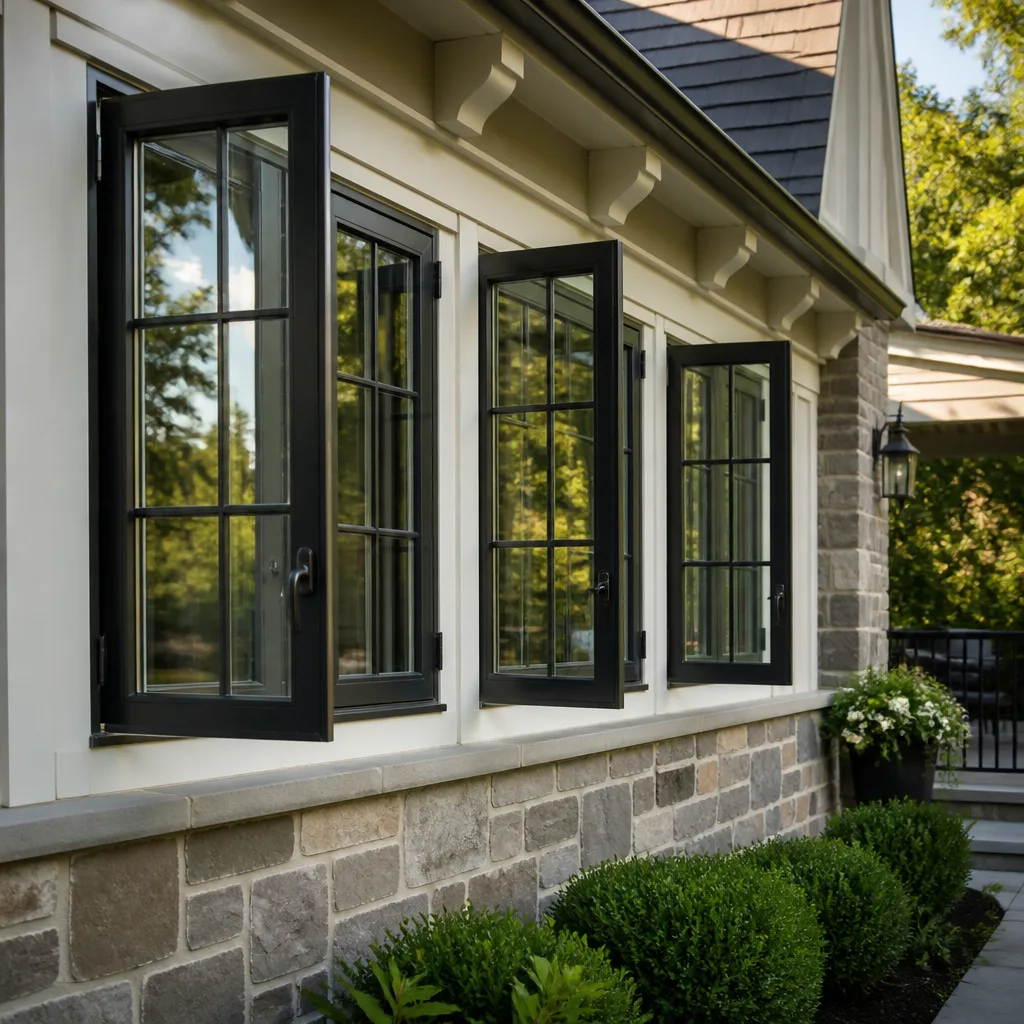
Casement windows, the kind that crank outward, are common in Deerfield Beach condos and older single-family homes. The crank mechanism has plastic and metal gears inside that wear out. A replacement crank operator is a straightforward job, usually $75 to $140 in parts and labor. But if the crank has been forced for months against a warped or swollen sash, the window itself may be out of square, and no new crank will help. That is the difference between a hardware replacement and a window replacement, and it is worth having someone knowledgeable look at it before ordering parts.
For sliding glass doors, the rollers underneath carry the full weight of a glass panel that can weigh 150 pounds or more. When rollers wear flat or the bearings seize, the door drags, then the panel chatters, then the frame starts wearing at the track. Roller replacement is among the most common repairs we do across Deerfield Beach, from Aston Park to Highland Meadows. Parts run $15 to $60 per roller, labor brings a typical two-panel slider to $140 to $240 total.
Then there are the simpler things: strike plates that have loosened from the jamb, hinges with stripped screw holes, handles that spin without engaging. None of these are glamorous, and all of them are worth fixing before they become a locked-out morning or a door that will not secure.
Your Electric Bill Is Telling You Something: The Energy Warning Sign
Here is a question worth asking: has your electric bill gone up without a matching change in your usage? If the rate per kilowatt-hour is roughly the same and you have not added new appliances, a rising cooling bill in Deerfield Beach often points to the building envelope. Windows and doors are the weakest point in that envelope.
A single-pane aluminum window from the 1970s has an insulating value roughly one-third that of a modern double-pane low-E window. A sliding glass door with a failed seal is worse. Add it up across a house with twelve to twenty windows, plus a patio door or two, and you are trying to air condition a house with the equivalent of a window left open all summer. FPL’s own efficiency guidance notes that window and door upgrades are among the most impactful envelope improvements a homeowner can make.
You can feel the difference with the back of your hand when the sun is on the glass. Stand next to a newer energy-efficient window and then next to an old original one. The radiated heat difference is immediate. Now imagine that heat loading your air conditioning every afternoon from May through October.
One practical Deerfield Beach reference point: homes that replace original 1980s windows with modern insulated impact units commonly see a 10 to 20 percent reduction in cooling cost, with the biggest savings on east- and west-facing glass. Exact savings depend on ceiling insulation, roof color, and how much glass is shaded. But the directional change is consistent. If you plan to stay in the house another ten years, the energy math alone often justifies at least replacing the windows that take the most sun.
Age of Your Windows: The 20-Year Threshold and What Changes
Most window and door products in South Florida come with manufacturer warranties of ten to twenty years, depending on the line. That is not a coincidence. It is the product’s designed service life in a coastal climate. A quality window properly installed can serve well past that. But at twenty years, you are on borrowed time, and the question is not whether something will fail but which thing and when.
Here is what happens to windows and doors over two decades in Deerfield Beach:
- Insulated glass seals weaken and fail, causing fogging and lost insulating gas.
- Vinyl and aluminum frames fatigue from daily thermal expansion and contraction.
- Weatherstripping and caulking degrade from UV exposure and salt air.
- Hardware, including cranks, locks, and rollers, reaches the end of its mechanical life.
- Impact-rated glass that has taken a minor hit may not break, but its structural rating is degraded.
- Flashing and waterproofing behind the frames, installed decades ago, often bears hidden damage you cannot see without removing the window.
If your windows were installed when the house was built in 1995, they are now approaching thirty. In Deerfield Beach terms, with salt air and summer humidity, that is old. We are not saying replace everything immediately. We are saying look at them honestly, with the warning signs in this guide in front of you. If you have two fogged panes, a door that binds every July, and a north bedroom you avoid in February because of the draft, those are three votes for a replacement plan.
If the windows are under twenty years old and one or two are showing trouble, a targeted repair makes sense. If the majority are over twenty and showing multiple signs, a phased replacement over two or three years is often the least painful path. Start with the east and west exposures, then the north. South-facing openings in Deerfield Beach take less direct sun in summer but still carry heat load year-round.
Common Mistakes to Avoid
- Caulking over a failed seal. Caulk fixes an air gap. It does nothing for a fogged insulated glass unit. The seal is inside the glass assembly, and no amount of exterior sealant will restore it.
- Replacing glass only in a frame that is done. If the frame is rotted or racked out of square, a new glass unit will not sit right and the window will leak. Match the repair to the actual condition of the opening.
- Buying windows by price per opening. The lowest bid in Deerfield Beach usually leaves out something: permit fees, impact compliance, stucco repair, disposal of the old units. Get line-item quotes so you know what you are paying for.
- Ignoring a door that binds. A dragging door is wearing itself and its frame every time it moves. What is a $90 hinge or roller fix today becomes a full frame replacement in two years.
- Skipping the permit on a window replacement. Broward County requires permits for window and door replacement, and the inspector verifies impact compliance. Doing it without a permit can complicate a future home sale.
- Replacing one window when the room needs four. Seals fail in batches. If three windows on the same wall are fogged, doing them individually means paying three separate service fees and three separate days of disruption.
- Not registering the manufacturer warranty. The warranty is only worth what is in writing. Unregistered warranties leave you arguing with an 800 number instead of getting a replacement unit.
When to Call a Professional
Call when the warning sign involves glass, structure, water intrusion, or impact compliance. A fogged pane is a glass unit replacement. A soft sill is potentially structural. A cracked impact window is a code and safety issue. A door that will not close square is often a frame problem, not a door slab problem. These are not weekend projects, and the cost of a wrong fix usually exceeds the cost of a professional assessment. TruePane Windows & Doors offers free estimates in Deerfield Beach; call (786) 743-5882 and a live person will schedule a time that works. No voicemail tree, no callback form.
Frequently Asked Questions
Replacing the insulated glass unit in a standard window in Deerfield Beach typically costs $180 to $380 installed, depending on the size and whether the window is impact-rated. Impact glass runs $280 to $500 for standard sizes. Call (786) 743-5882 for an exact quote; estimates are free.
Not with a contractor that quotes in writing, line by line, before work begins. The price can only change if the scope changes, like discovering rotted framing behind a window that was not visible until removal. Reputable Deerfield Beach contractors note that possibility in the quote up front and get your approval before any additional work proceeds.
Yes. Broward County requires a permit for window and door replacement, and the Florida Building Code requires that replacement units meet current impact standards. A professional installer pulls the permit, schedules the inspection, and provides the passed-inspection record for your files.
For a typical Deerfield Beach home with ten to fifteen windows, expect the install itself to take one to two days. Impact-rated custom sizes can add time. What matters for the schedule is that the windows are measured correctly the first time, so the units arrive and go in without a second visit.
Existing windows can remain until you replace them. The moment you replace them, the new units must comply with current High Velocity Hurricane Zone requirements. That means impact-rated glass or an approved alternative like a shutter system. A professional assessment will tell you which openings fall under that requirement.
Morning fog on the outside surface of the glass is condensation from humid Deerfield Beach air meeting cooler glass overnight. That is normal and not a seal failure. Fog between the panes that never clears is the seal failure, and that requires glass replacement.
The Bottom Line
Windows and doors in Deerfield Beach fail on a predictable timeline. Seals go first, then hardware wears, then frames break down under salt air and humidity. The warning signs are not mysterious: fog between the panes, drafts, soft wood, doors that bind, cracks in impact glass, climbing cooling bills. Catching them early means a $150 repair stays a $150 repair. Ignoring them means a $2,000 replacement and sometimes wall framing repairs on top. Walk your house with this guide in hand, check each opening, and if something does not look right, get a professional opinion. The estimate is free. The information is worth having either way.
Written by the team at TruePane Windows & Doors.
Six Reasons Homeowners Choose TruePane Windows & Doors
Impact systems engineered to design pressures up to +/-100, matched to your wind zone - your openings hold when the storm arrives.
Low-E insulated impact glass from our manufacturer lines commonly cuts monthly cooling bills 20-30%.
Laminated impact glass shuts out up to 40% of outside noise - traffic, neighbors, weather.
Monitoring services run $30-90 a month. Laminated impact glass resists forced entry around the clock, with no subscription.
Florida homeowners average around 25% savings on the windstorm portion of their policy after protecting every opening - some homes qualify for more.
A full impact package upgrades curb appeal, buyer confidence and appraised value in one project.